
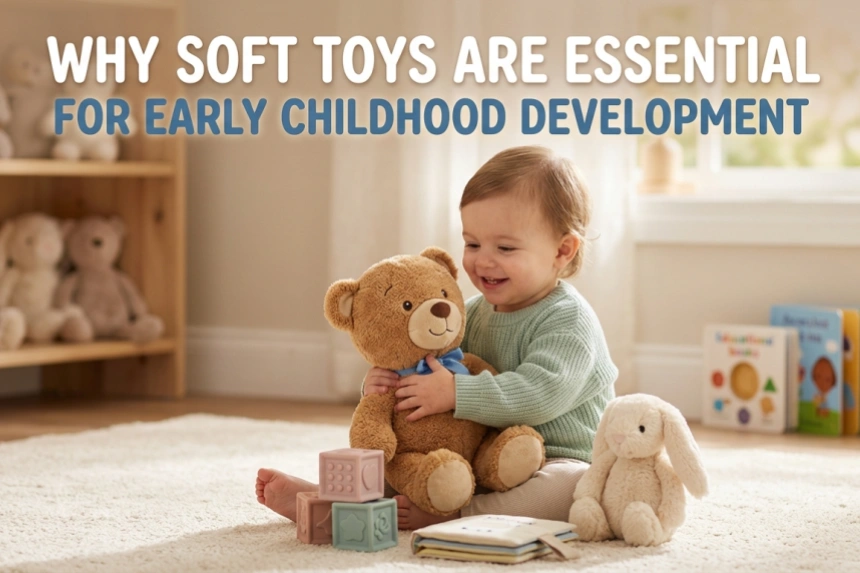
From the very first months of life, babies begin exploring the world through touch, sight, and emotional connection. Among the many items that become part of a child’s daily life, soft toys hold a special place. These comforting companions are more than just cute accessories—they play a meaningful role in early childhood development.
Understanding the importance of soft toys can help parents make thoughtful choices that support their child’s growth, emotional well-being, and learning journey.
The Emotional Benefits of Soft Toys
Soft toys often become a child’s first friend. They provide comfort during unfamiliar situations, such as bedtime, travel, or starting daycare. This emotional attachment helps children develop a sense of security and independence.
When a child hugs or talks to a soft toy, they are expressing feelings in a safe and controlled way. This can be especially helpful in managing anxiety or adapting to new environments. Over time, these interactions contribute to emotional resilience and self-soothing skills.
Encouraging Imagination and Creativity
One of the most valuable benefits of soft toys is their ability to spark imagination. Unlike electronic toys, soft toys encourage open-ended play. A simple plush animal can become a character in a story, a friend on an adventure, or even a student in a pretend classroom.
This type of imaginative play helps children develop creativity, storytelling abilities, and problem-solving skills. It also supports language development, as children often talk to their toys and create dialogues.
Supporting Cognitive Development
Soft toys can also contribute to cognitive growth. Through play, children learn to recognize shapes, colors, and textures. They begin to understand cause and effect, as well as basic concepts like nurturing and responsibility.
For example, when a child pretends to feed or care for a toy, they are practicing real-life skills in a playful context. This kind of learning is both natural and effective, as it combines fun with meaningful development.
Building Social Skills
Playing with soft toys can also enhance social development. Children often use toys to act out social scenarios, such as sharing, helping, or resolving conflicts. This helps them understand social norms and develop empathy.
In group settings, soft toys can encourage cooperative play. Children may create stories together or assign roles to different toys, learning how to communicate and collaborate with others.
Choosing the Right Soft Toys
Not all soft toys are created equal, and selecting the right one can make a difference. Here are a few factors to consider:
1. Safety First
Always choose toys made from non-toxic materials with secure stitching. Avoid small parts that could pose a choking hazard, especially for younger children.
2. Age Appropriateness
Different toys are designed for different age groups. For infants, soft and simple designs are best, while older children may enjoy more detailed or themed toys.
3. Texture and Comfort
Softness is key. A toy that feels comforting to the touch is more likely to become a favorite companion.
4. Durability
Children often form strong attachments to their toys, so durability is important. A well-made toy can withstand daily use and frequent washing.
The Role of Soft Toys in Daily Routines
Soft toys can become an important part of a child’s daily routine. They often accompany children during bedtime, helping to create a sense of familiarity and comfort. This can make it easier for children to fall asleep and establish consistent sleep patterns.
They can also be helpful during transitions, such as traveling or visiting new places. Having a familiar toy nearby can reduce stress and make new experiences feel less overwhelming.
Common Mistakes to Avoid
While soft toys offer many benefits, there are a few common mistakes parents should avoid:
- Overloading with too many toys: Too many options can overwhelm a child and reduce the value of each toy.
- Ignoring cleaning and hygiene: Soft toys should be washed regularly to maintain cleanliness.
- Choosing based only on appearance: While design matters, safety and quality should always come first.
- Forgetting age suitability: Always check recommended age guidelines before purchasing.
Balancing Playtime and Development
It’s important to remember that soft toys are just one part of a child’s development. They work best when combined with other activities such as reading, outdoor play, and interaction with caregivers.
Parents can enhance the benefits of soft toys by engaging in play with their children. Simple activities like storytelling, role-playing, or naming emotions can turn playtime into a valuable learning experience.
Final Thoughts
Soft toys are more than just adorable companions, they are powerful tools for emotional, cognitive, and social development. By choosing the right toys and incorporating them into daily routines, parents can create a supportive environment that nurtures their child’s growth.
As children build connections with their soft toys, they also build confidence, creativity, and essential life skills that will benefit them for years to come.
What was your favorite soft toy growing up, or what does your child love the most? Share your thoughts and stories in the comments below!