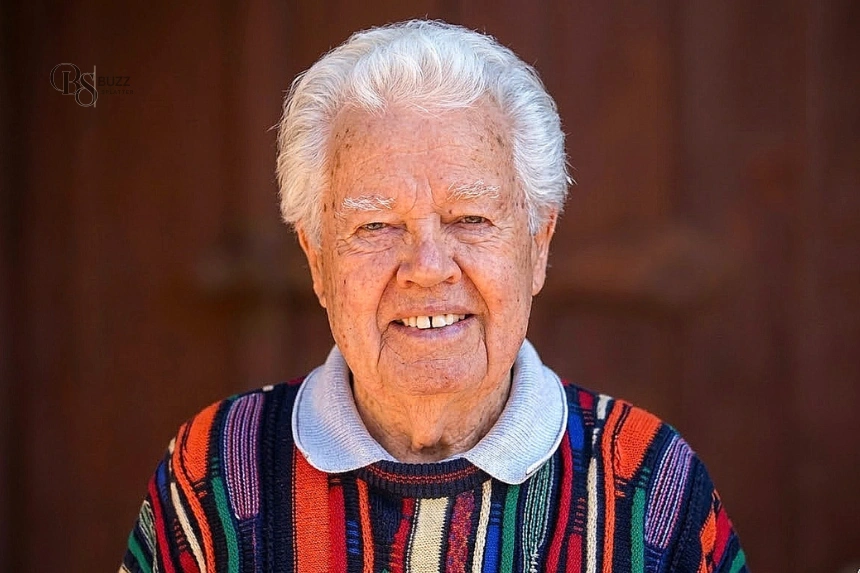
“A literary journey shaped by culture, courage, and truth”
Naira Kuzmich (1988–2017) was an Armenian-American writer whose brief but remarkable career left a lasting imprint on contemporary literature. Known for her fiction and essays that intimately explored family, heritage, and cultural identity, Kuzmich’s work reflected the rich tapestry of the Armenian-American experience. Born in Yerevan, Armenia, and raised in Los Angeles’s Little Armenia, her stories often center on the interplay between personal desire and the weight of tradition, offering readers a profound and compassionate lens into immigrant life.
Naira Kuzmich MFA – Key Facts
| Facts | Details |
|---|---|
| Full Name | Naira Kuzmich |
| Born | 1988 |
| Died | 2017 |
| Nationality | Armenian-American |
| Birthplace | Yerevan, Armenia |
| Raised In | Los Angeles, California (Little Armenia) |
| Profession | Fiction writer, essayist |
| Education | Master of Fine Arts (MFA) in Creative Writing |
| MFA Institution | Arizona State University |
| MFA Year | 2013 |
| Primary Genre | Literary fiction, personal essays |
| Writing Focus | Armenian-American identity, family, diaspora, illness, women’s lives |
| Notable Short Story | The Kingsley Drive Chorus |
| Major Recognition | Included in The O. Henry Prize Stories 2015 |
| Story Collection | In Everything I See Your Hand (2022, posthumous) |
| Novel | Fearcatcher (forthcoming, 2025) |
| Literary Journals | West Branch, Blackbird, Ecotone, Guernica, Cincinnati Review, Massachusetts Review |
| Known For | Blending cultural memory, humor, and grief in Armenian-American storytelling |
| Legacy | A respected literary voice whose work continues to shape Armenian-American literature |
Early Life and Cultural Roots
Kuzmich was born in 1988 in Yerevan, Armenia, and spent her formative years in Los Angeles, deeply immersed in the Armenian community. Her upbringing in Little Armenia exposed her to the traditions, stories, and resilience of Armenian culture, which later became central to her writing. Family narratives, particularly those of her mother and grandmother, provided the foundation for many of her works, weaving together intergenerational experiences and the nuanced lives of Armenian women.
Her personal essays, including “My Evil Grandmother Wakes” and “Dances for Armenian Women”, showcase her ability to transform familial memories into literary exploration. As literary critic Beth Staples observed, Kuzmich’s work “often explores complex familial histories – women’s relationships to one another, to religious and cultural traditions,” establishing her voice as both unique and essential. This deep engagement with heritage and identity became a hallmark of her fiction, positioning her as a keen observer of the immigrant experience in Los Angeles.
Education and MFA Journey
After completing her undergraduate studies, Kuzmich pursued her passion for creative writing academically. She earned an MFA in Creative Writing from Arizona State University in 2013, specializing in fiction. ASU’s program, known for its emphasis on both poetry and fiction, allowed her to refine her craft while simultaneously serving as an editor for the university’s Hayden’s Ferry Review international section and as a writing instructor.
During her MFA, Kuzmich’s stories began to gain recognition in literary circles. Her MFA thesis, a collection of stories reflecting Armenian-American life, already demonstrated the themes she would continue to explore throughout her career: identity, familial bonds, displacement, and resilience. Her short story, “The Kingsley Drive Chorus”, about Armenian-American mothers and sons, was published in Salamander magazine in 2013 and later included in The O. Henry Prize Stories 2015. Such recognition underscored her talent and the emotional depth of her work, marking her as a rising star in contemporary literature.
Even before completing her MFA, Kuzmich had begun shaping her literary voice, balancing personal experience with broader cultural commentary. Her stories often portrayed characters negotiating the tension between assimilation and tradition, illuminating the subtle struggles and triumphs of Armenian-American communities.
Literary Works and Themes
Kuzmich’s contributions to literature spanned both fiction and nonfiction. Her stories appeared in literary journals, including West Branch, Ninth Letter, Blackbird, Carve, and Arts & Letters. Essays and memoir pieces ran in Ecotone, The Threepenny Review, Massachusetts Review, Cincinnati Review, and Guernica.
The New Orleans Press shared her accomplishments clearly. Her stories and articles have been published in many well-known places, including West Branch, Blackbird, Ecotone, The O. Henry Prize Stories 2015, The Threepenny Review, The Massachusetts Review, and The Cincinnati Review, among others.
Central themes in her work include cultural identity, displacement, and the dynamics of Armenian-American families. Her essays often meditate on heritage, using symbols and traditions to connect personal experience with collective history.
For example, her Guernica essay “In a Name” explores the significance of the Armenian pomegranate, while her short story “Eulogy for Rosa Garsevanian” follows a refugee bride navigating life in America.
Critics often highlight the interplay of intimacy, humor, and grief in her writing. Characters confront mortality, illness, and personal loss, yet Kuzmich’s prose often carries unexpected lightness. Cancer, in particular, is a recurring motif, reflecting both personal struggle and thematic exploration of human fragility. She once poignantly wrote:
“I left home to write about home, like many writers do. But now, I’m back—me and the cancer. It’s new in some ways, but still very real.”
Her style is marked by directness and emotional clarity, inviting readers into the lived experiences of her characters. The opening line of her story “Beginning Armenian” demonstrates this simplicity and immediacy:
“Every day I stand in front of a classroom full of women who resemble my mother and teach them things they already know but pretend they don’t.”
Selected Works
In Everything I See Your Hand (2022)
This posthumous collection of short stories, published by the University of New Orleans Press, centers on Armenian-American characters navigating identity, family, and the challenges of assimilation. UNO Press praised the collection as “ten brilliant stories” exploring whether one can ever truly escape their roots.
Fearcatcher (Forthcoming October 2025)
Kuzmich’s first novel, completed before her passing, is set in Soviet Armenia during the 1970s–80s. The narrative follows Ruzan, a foundling girl raised by a mystical figure known as a fearcatcher. The story examines fate, family, and rebellion, blending historical realism with mythic storytelling. Early reviews hail it as a major contribution to Armenian-American literature.
Notable Short Fiction and Essays
“The Kingsley Drive Chorus” (2013): A story about Armenian mothers coping with troubled sons, recognized for its empathetic and unusual narrative voice.
“Beginning Armenian (Arts & Letters, 2013) tells the story of a young teacher who faces illness while dealing with her culture’s expectations.”
“The Golden Rule” (Guernica, 2012) and “Round Trip” (The Rumpus, 2012): Essays exploring ancestral heritage and personal journey.
“Dances for Armenian Women” (Cincinnati Review, 2017) and “My Evil Grandmother Wakes” (Shenandoah, 2019): Personal essays blending memoir, cultural reflection, and dark humor.
Recognition and Legacy
Kuzmich’s work earned significant acclaim, particularly posthumously. Her inclusion in The O. Henry Prize Stories 2015 showcased her skill and empathy as a writer. Editors and fellow writers remember her as extraordinarily talented, often lamenting the literary world’s loss when she passed away in 2017. Literary platforms like LitHub praised In Everything I See Your Hand for its scope, humor, and emotional resonance.
Beyond accolades, Kuzmich’s legacy lies in the compassion and insight with which she depicted Armenian-American life. She offered a nuanced portrayal of family, identity, and cultural continuity, showing how personal and historical narratives can intertwine. As one colleague reflected, she provided “a model for how a serious and disciplined writing practice could look,” leaving behind work that continues to inspire readers and writers alike.
Conclusion
Naira Kuzmich’s brief career was extraordinary in its depth and resonance. Through her fiction and essays, she gave voice to the Armenian-American experience and explored universal themes of family, mortality, and identity. Her posthumous works, particularly In Everything I See Your Hand and the forthcoming novel Fearcatcher, ensure that her empathetic, insightful voice endures. For readers seeking a connection to heritage, culture, and the emotional landscapes of immigrant life, Kuzmich’s writing remains an invaluable treasure. Her stories remind us that literature has the power to preserve history, illuminate personal experience, and foster understanding across generations.