Introduction
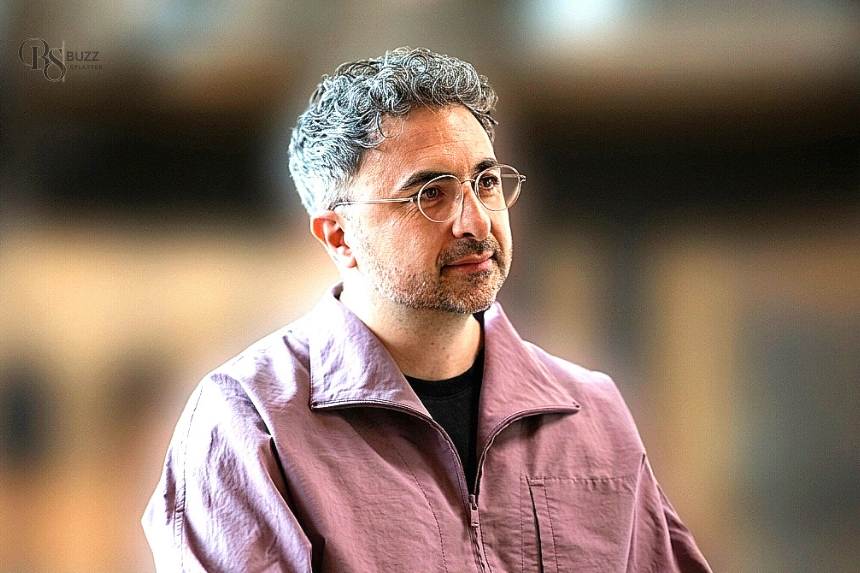
For more than a decade, Leonard Serrato’s name has carried two sharply contrasting identities: one as a fraternity and sorority life administrator known for championing anti-hazing education, and another as a figure shadowed by past missteps and, most recently, an inflammatory video that sparked nationwide backlash. His story weaves together tragedy, professional reinvention, and a modern social-media controversy that reignited debates about free speech, campus culture, and the ethical responsibilities of those who work closely with students.
This article follows Serrato’s path, from a 2012 fraternity tragedy to the viral firestorm of 2024, and examines how his journey reflects the growing pressures universities face in the media, when a single online moment can instantly become a national headline.
Who is Leonard Serrato?
Leonard Serrato is a former Greek Life administrator whose career included roles at California State University, Fresno, Indiana University Bloomington, and the University of Oregon. He first entered the public spotlight in 2012 after a Fresno State fraternity party where 18-year-old pledge Philip Dhanens died of alcohol poisoning. Serrato was later convicted for his involvement in the incident and served a 90-day jail sentence.
Leonard Serrato: Key Facts and Timeline
| Fact | Details |
| Full Name | Leonard Serrato |
| Known For | Greek Life administration, anti-hazing advocacy, 2024 viral Instagram controversy |
| Education | Undergraduate at California State University, Fresno (Fresno State) |
| 2012 Incident | Supplied alcohol at fraternity party; pledge Philip Dhanens died of alcohol poisoning |
| Legal Outcome | Served 90-day jail sentence in 2014 |
| Career | Worked at Sonoma State, Indiana University Bloomington, University of Oregon as Greek Life administrator |
| 2024 Controversy | Posted profane anti-Trump Instagram video on Nov 7, 2024 |
| University Response | Placed on paid administrative leave; later terminated |
| Public Debate | Sparked discussions on free speech, professional responsibility, and social media conduct |
| Current Status | No longer employed at University of Oregon; Instagram video removed |
Educational Background
Leonard Serrato built his academic foundation in psychology. After attending three different junior colleges, he transferred to California State University, Fresno, where he earned a Bachelor’s degree in Psychology. His educational journey shows a gradual but clear shift toward student affairs and Greek-life leadership.
During graduate school, Serrato continued examining campus culture and student engagement. He even produced a piece titled “Greek Life: Hazed and Confused,” which explored persistent issues within fraternity and sorority communities. This academic focus ultimately shaped the student-life and Greek-affairs roles he later held across multiple universities.
A Tragic Beginning: Fresno State and the 2012 Hazing Case
Leonard Serrato’s path into public awareness began in 2012 at California State University, Fresno. Then an undergraduate student, Serrato was involved in a fraternity party where 18-year-old pledge Philip Dhanens died of alcohol poisoning after a night of heavy drinking. Serrato had supplied alcohol at the event, a detail that placed him directly in law-enforcement crosshairs and later in national hazing-prevention discussions.
In 2014, Serrato was convicted for his role and served a 90-day jail sentence. For many, this incident might have marked the end of a campus career. But Serrato attempted to rebuild, recasting himself as a vocal advocate against hazing, speaking openly about the dangers of reckless fraternity culture and the responsibility of students and administrators to prevent future tragedies.
His reentry into higher education administration was gradual but steady. Over the next several years, he worked at Sonoma State University and later at Indiana University Bloomington, serving in roles that focused on advising Greek organizations, supporting students, and encouraging safer campus communities.
A Rising Career in Greek Life Administration
By 2021, Serrato had joined the Indiana University Office of Sorority and Fraternity Life as an assistant director. His work included leadership development, risk-management training, and hazing-prevention programming, all areas informed by his past and the lessons he claimed to have learned.
Despite the shadow of the Fresno State case, colleagues and students described him as engaged, energetic, and deeply involved in improving campus Greek systems. Within the field of student affairs, he was part of a wave of younger professionals attempting to modernize how universities support fraternity and sorority students.
In 2022, Serrato moved to the University of Oregon (UO) as Assistant Director of Fraternity and Sorority Life, a role centered on advising chapters, assisting councils, and helping coordinate large-scale Greek Life operations. For nearly two years, his name rarely appeared beyond internal campus circles.
Then came the night of November 7, 2024.
The Instagram Video That Sparked National Outrage
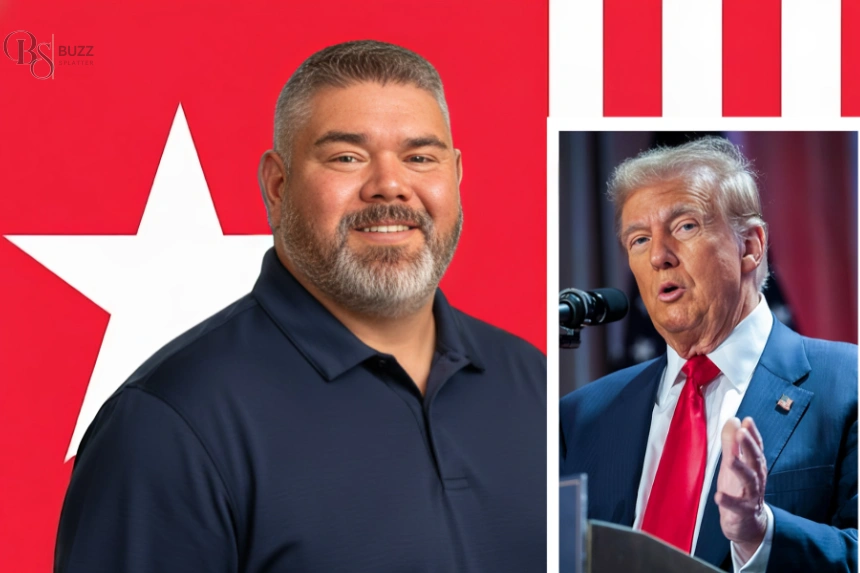
On the evening of the 2024 U.S. presidential election, Serrato posted a raw, profanity-laced video to his Instagram story reacting to the results. Visibly angry, he directed harsh insults at voters who had supported President-elect Donald Trump.
In the video, Serrato said:
- “You can literally go f— yourself if you voted Donald Trump.”
- “I hope you go jump off of a f—ing bridge.”
The comments were immediate, emotional, and filled with expletives – the kind of unfiltered vent often shared privately between friends. But Instagram stories are not private, particularly for a public university employee.
Students captured the clip and reposted it through an anonymous campus app before it spread across major social-media platforms. Within hours, news outlets amplified the video, and soon even Donald Trump Jr. weighed in, calling Serrato’s comments “disgusting” and predicting that such behavior was “not surprising” for a university employee.
By the next morning, the story was national.
University of Oregon Responds: Leave, Investigation, and Public Condemnation
The University of Oregon acted swiftly. Angela Seydel, a UO spokesperson, confirmed that Serrato had been placed on paid administrative leave as soon as the university became aware of the video.
The university removed the video from its platforms and condemned Serrato’s statements as “abhorrent” and “not in alignment with our values or mission.” Officials launched an internal investigation to determine whether the remarks violated policies governing staff behavior, professionalism, and public communication.
At the same time, UO emphasized its dual commitment: upholding free speech while maintaining a campus environment built on respect, inclusion, and civil discourse. Administrators acknowledged the “discord” between Serrato’s role in Student Life, where neutrality, support, and mentorship are expected – and the extreme nature of his statements.
Even for a university used to political controversy, Serrato’s video crossed a line that could not be ignored.
December 2024: Termination and Claims of Misrepresentation
On December 20, 2024, Serrato released another video on Instagram, this time calm and measured. He announced that he had been terminated from his position at the University of Oregon.
The university later confirmed he was no longer an employee, though officials did not specify whether he had resigned or been formally fired.
In his follow-up video, Serrato pushed back against the media narrative. He argued that news outlets had distorted his intent, claiming they had framed his remarks as outright encouragement for people to “unalive themselves.”
He also stated that after the clip went viral, he had been doxxed, with his personal information spread across the internet. According to Serrato, the aftermath was severe:
- More than 2,000 hostile messages
- Harassment featuring homophobic, fatphobic, and racial slurs
- Threats and attacks that escalated after media coverage intensified
He said that while he regretted the phrasing of his comments, the backlash spiraled far beyond what he had anticipated when he posted the late-night video.
A Broader Debate: Free Speech, Professionalism, and the Digital Age
Serrato’s case quickly became more than an issue of one administrator’s behavior. It tapped into a larger national conversation about:
1. Free Speech vs. Professional Responsibility
Supporters argued that while Serrato’s comments were crude, they were a personal expression of political frustration, something many Americans felt on both sides of the election. They viewed the administrative response as overly harsh, raising concerns about how much control universities exert over employees’ private speech.
Critics countered that a student-life administrator must uphold neutrality and create trust among all students. Encouraging a segment of the student population to “go jump off a bridge,” even rhetorically, contradicts the foundational values of campus support services.
2. The Fragility of Online Presence
Serrato’s experience mirrors a growing number of cases where a single heated moment on social media derails an entire career. Analysts noted that, regardless of intent, public-facing professionals must understand how quickly a private post can turn into national news.
3. The Political Temperature of American Campuses
The Times of India and other outlets noted that public reaction split sharply along partisan lines, reflecting wider political tensions. Some saw Serrato’s comments as symptomatic of polarized discourse; others argued they revealed deeper frustrations within marginalized communities.
In essence, the debate was not just about Serrato, it was about what universities should tolerate from staff, how much free speech is too much, and whether the digital era has erased the boundary between personal and professional life.
What Remains After the Controversy
As of late 2024, Serrato has made no further public comments beyond his termination video. The original Instagram story is gone. The University of Oregon has moved forward, and the national outrage has faded.
But the questions raised by his case linger:
- How should universities handle politically charged speech by employees?
- Where is the line between personal expression and professional responsibility?
- What protections should staff have when online harassment escalates beyond criticism?
- Can administrators with charged political views still effectively serve diverse student bodies?
For many observers, Serrato’s story is more cautionary than conclusive. It reflects the volatility of a digital world where a 15-second video can outweigh years of professional work — and where the boundary between public servant, private citizen, and online personality has never been thinner.
Conclusion
Leonard Serrato’s journey, from a tragic fraternity incident to a respected student-life professional, and finally to a public controversy that cost him his job, is a complex story of accountability, second chances, political emotion, and the unforgiving nature of viral media.
His case remains a reference point in ongoing debates about campus culture, free speech, and the responsibilities of university administrators. Whether viewed with sympathy, criticism, or something in between, Serrato’s experience highlights a critical challenge of modern higher education: navigating the intersection of personal expression, institutional values, and a digital environment where every moment carries the potential to become national news.
FAQs About Leonard Serrato
They should balance free speech with professional duties, reviewing context and following policies before acting.
It is crossed when speech harms students, violates conduct rules, or undermines institutional values.
Yes. In Serrato’s case, a single viral Instagram video led to his administrative leave and termination, overshadowing years of anti-hazing advocacy and work in Greek Life administration.
Staff should receive support, safety resources, and protection from threats or harassment while investigations proceed.
Yes, if they remain professional, neutral, and respectful in all interactions with students.