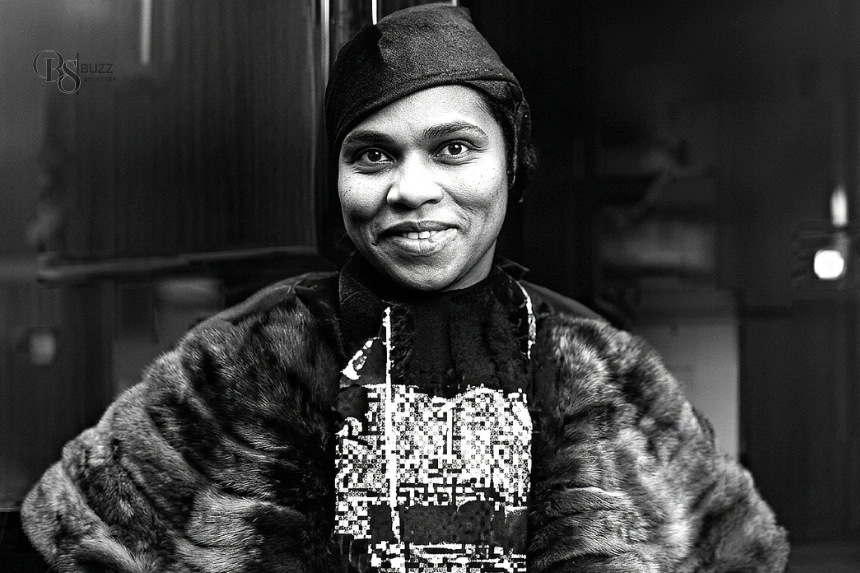
A Minneapolis-born social worker whose life journey embodied perseverance, lifelong learning, and an enduring commitment to community uplift.
Anderson Lucille stands as a powerful example of resilience, lifelong learning, and unwavering dedication to community service. Born in an era marked by racial and social barriers, Anderson carved out a meaningful life defined by education, family commitment, and advocacy for underprivileged youth. Her journey offers not only historical insight but also practical inspiration for modern readers seeking purpose-driven lives.
Facts About Anderson Lucille
| Fact | Details |
| Full Name | Lucille L. Anderson (née Majors) |
| Known As | Anderson Lucille |
| Date of Birth | March 29, 1926 |
| Place of Birth | Minneapolis, Minnesota, USA |
| Parents | Andrew Majors and Ruth Majors |
| Nickname | “Ludy” |
| Education (Early) | North High School, Minneapolis |
| Higher Education | B.A. in Sociology/Child Psychology, University of Minnesota (1975) M.S.W. Boston College (late 1970s) |
| Early Career Work | Assembly line worker (Honeywell), domestic labor, elevator operator, nurse’s aide |
| Vocational Training | IBM keypunch / data processing (1960s) |
| Social Work Career | Hennepin County family services, juvenile justice counselor, NYC probation officer |
| Community Work | Volunteer at Phyllis Wheatley Community Center (Minneapolis) |
| Family | Married briefly to Clyde M. Anderson |
| Children | Three (including Dr. Corrie T.M. Anderson) |
| Core Values | Education, resilience, youth advocacy, community service |
| Personality Traits | Warm, humorous, strong-willed, deeply family-oriented |
| Date of Death | April 29, 2020 |
| Age at Death | 94 years |
| Cause of Death | COVID-19 |
| Legacy Focus | Lifelong learning, social work impact, support for underprivileged youth, community uplift |
Early Life of Anderson Lucille: Roots in Minneapolis
Lucille L. Majors was born on March 29, 1926, in Minneapolis, Minnesota, to Andrew and Ruth Majors. Growing up on the North Side, a historically Black neighborhood, she was raised in a community shaped by both cultural richness and systemic challenges.
Nicknamed “Ludy” by her family, Anderson was instilled early with a deep respect for education. Her mother, in particular, emphasized that learning was the key to opportunity. This belief would later become the cornerstone of Lucille Anderson’s life philosophy.
She attended North High School in Minneapolis and graduated during a time when educational access for Black students was still limited. In 1944, she enrolled at the University of Minnesota, becoming one of the few Black students on campus, a significant milestone in itself.
Interrupted Education and Early Struggles
Like many women of her generation, especially women of color, Anderson’s educational journey was not linear. She left college to raise her first child and support her growing family.
In the 1940s and 1950s, Lucille Anderson worked a range of demanding jobs, including assembly line work at Honeywell, domestic labor, elevator operation, and nurse’s aide roles, to support her family.
These roles reflect a common reality of the time, balancing survival with aspiration. Despite the physical and emotional toll, Anderson maintained what her family later described as a “thirst for knowledge.”
Mid-Life Education: A Defining Achievement
In the 1960s, she pursued vocational training in data processing, learning IBM keypunch systems. This step opened doors to administrative work within Hennepin County’s family and children’s services.
However, Anderson didn’t stop there.
By 1975, at nearly 50 years old, she completed a Bachelor of Arts in sociology and child psychology from the University of Minnesota. Shortly afterward, she earned a Master of Social Work (MSW) from Boston College.
Anderson Lucille Age
Lucille L. Anderson was born on March 29, 1926, and lived a long and impactful life spanning more than nine decades. She passed away on April 29, 2020, at the age of 94. Her longevity reflected not only the passage of time but also a life rich in purpose, resilience, and continued engagement with family and community well into her later years.
Career in Social Work and Juvenile Justice
With formal training in social work, Lucille Anderson began a career dedicated to helping vulnerable populations, particularly disadvantaged youth.
Key Roles in Her Career
- Social service worker in Hennepin County
- Juvenile justice counselor
- Probation officer in New York City
As a probation officer, she worked directly with young individuals navigating the justice system. Her role went beyond supervision, she served as a mentor, guide, and advocate.
Her lived experience gave her a unique perspective. Having faced economic hardship and systemic barriers herself, she connected deeply with the youth she served.
Anderson Lucille and Community Service
Even after retiring from formal employment, Anderson’s commitment to service did not end.
She returned to Minneapolis and became a volunteer at the Phyllis Wheatley Community Center, a historic institution dedicated to supporting African American youth and families.
Her involvement there reflected a consistent, lifelong commitment to community service, investing in local neighborhoods, supporting youth development, and giving back without seeking recognition.
Personal Life: Family as Her Foundation
Lucille Anderson was briefly married to Clyde M. Anderson, and together they had three children: Alberteen, Corrie, and Cydnae.
As a single mother, she carried the full responsibility of raising her children while working multiple jobs. Despite these challenges, she ensured her children had access to education and opportunity.
Her son, Dr. Corrie T.M. Anderson, later became a pediatric anesthesiologist, a testament to her sacrifices and values.
She taught her children:
Work hard, stay disciplined, and strive to contribute to society.
In a notable act of sacrifice, she even sold her home to support her son’s educational journey, an example of long-term thinking and prioritizing generational progress.
Personality and Character
Beyond her professional and academic achievements, Anderson Lucille was known for her vibrant personality.
Family members remember Lucille Anderson as warm and quick-witted, marked by a strong will and unwavering determination, and deeply devoted to her family.
Even in her later years, she maintained her spirited nature, “cracking jokes and guiding her grandchildren” until shortly before her passing.
Timeline of Anderson Lucille’s Life
| Year | Event |
| 1926 | Born in Minneapolis, Minnesota |
| 1944 | Graduated high school and enrolled at University of Minnesota |
| 1940s-50s | Worked multiple jobs while raising children |
| 1960s | Completed IBM data processing training |
| 1975 | Earned B.A. in Sociology/Child Psychology |
| Late 1970s | Completed MSW from Boston College |
| 1970s-80s | Worked as juvenile counselor and NYC probation officer |
| 1990s-2000s | Volunteered at Phyllis Wheatley Community Center |
| 2020 | Passed away at age 94 due to COVID-19 |
Conclusion: Why Anderson Lucille’s Story Still Matters
The story of Anderson Lucille is a blueprint for resilience, purpose, and social contribution. From her early struggles in Minneapolis to her impactful career in social work, Lucille Anderson demonstrated that determination and compassion can overcome even the most difficult circumstances.
Her life reminds us that success is not always measured in wealth or recognition but in the lives we uplift, the values we pass on, and the communities we strengthen.
In a rapidly changing world, her journey remains a timeless example of how education, perseverance, and service can shape not only individual lives, but entire generations.