Basketball offers much more than excitement and competition. For young athletes, it is a proven way to build character, encourage healthy habits, and nurture lifelong skills. By participating in kids basketball training, children gain lessons that reach far beyond their time on the court. Training programs are designed to help children grow as confident, disciplined team players, a benefit that influences many areas of their lives.
The foundations laid in basketball foster not only athleticism but the essential life tools of communication, perseverance, and leadership. Children learn the rewards of hard work, experience the highs and lows of competition, and develop relationships that promote a sense of belonging. These values are increasingly important in today’s fast-paced world, where teamwork and self-assurance are invaluable.
Parents who enroll their children in youth basketball are investing in their holistic development. These programs provide supervised environments where athletes are encouraged to do their best, celebrate achievements, and learn from their mistakes. The team setting naturally enhances self-esteem as kids absorb the excitement of making progress and being an integral part of a group.
This comprehensive approach to personal growth prepares young people not just for competitive sports but for the social and academic challenges they will face throughout life.
Importance of Fundamentals
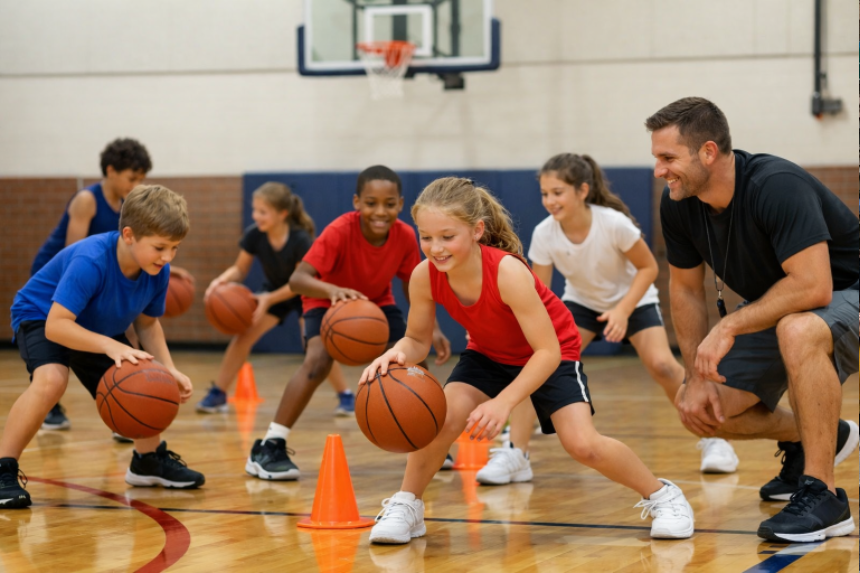
Every young basketball player’s journey begins with mastering the basics. Focusing on dribbling, passing, shooting, and footwork ensures that athletes have the foundational skills to excel as they progress. Establishing a solid foundation provides confidence and helps children better understand the game. According to Coach Deon, “Fundamentals are where confidence actually begins.” Instilling the basics early sets the stage for more advanced skills, game awareness, and long-term growth.
Building Confidence Through Skill Development
For children, even small milestones in basketball, like learning to dribble without looking at the ball or consistently making a layup, are powerful confidence boosters. Progress in skill development is visible and rewarding. When athletes see improvements after putting in the effort, they internalize an important lesson: steady work results in real achievement. This realization does not just benefit their performance on the court, but also fosters a positive approach to challenges in academics and everyday life.
Teamwork and Communication
Basketball is a collaborative sport that favors communication and cooperative strategy. Young players are encouraged to support each other, communicate openly, and share responsibilities. By working toward shared goals, they learn how to listen, express themselves, and respect others’ input. These communication skills help them flourish within teams and groups both at school and in future professional settings. According to the American Psychological Association, participation in team sports is strongly linked to improved social skills among children.
Resilience and Mental Toughness
Setbacks are inevitable in sports. Whether it’s dealing with a tough loss or bouncing back from a poor performance, basketball teaches youngsters to persevere and develop mental fortitude. Through repeated experiences with competition, children learn not to fear failure, but to view it as an opportunity to grow. This mindset helps them approach life’s obstacles with confidence and resilience, knowing that setbacks are just part of the process.
Physical Health and Fitness
Youth basketball is a high-energy activity that promotes cardiovascular fitness, balance, agility, and strength. Participating from a young age helps children develop healthy lifestyle habits and reduces the risk of childhood obesity. The Centers for Disease Control and Prevention highlights that regular physical activity also supports mental well-being, helping reduce anxiety and depression among children. Programs that make exercise enjoyable can set the stage for a lifetime of health.
Role of Coaches and Mentors
Skilled coaches and dedicated mentors are pillars of successful youth basketball programs. Their influence extends beyond teaching technical skills, as they model discipline, leadership, and sportsmanship. A mentor who believes in a child and encourages them to exceed their expectations can make a lasting impact. Such relationships are vital for nurturing positive self-image and guiding athletes through the ups and downs of sports and life.
Community and Social Integration
Basketball training centers and community leagues create avenues for children to develop friendships and integrate into their local communities. Programs focused on inclusion and positive reinforcement help young athletes feel safe and supported. For example, the Brooklyn Basketball Training Center emphasizes teamwork and connection as core values for participants.
Conclusion
Youth basketball training is a powerful catalyst for youth development, fostering confidence, discipline, and healthy social connections. By emphasizing fundamentals, promoting teamwork, and challenging children to adapt and grow, these programs help young athletes become well-rounded and resilient. Encouraging your child to join a basketball program nurtures skills and values that will serve them for years to come, both on the court and wherever life may lead.