
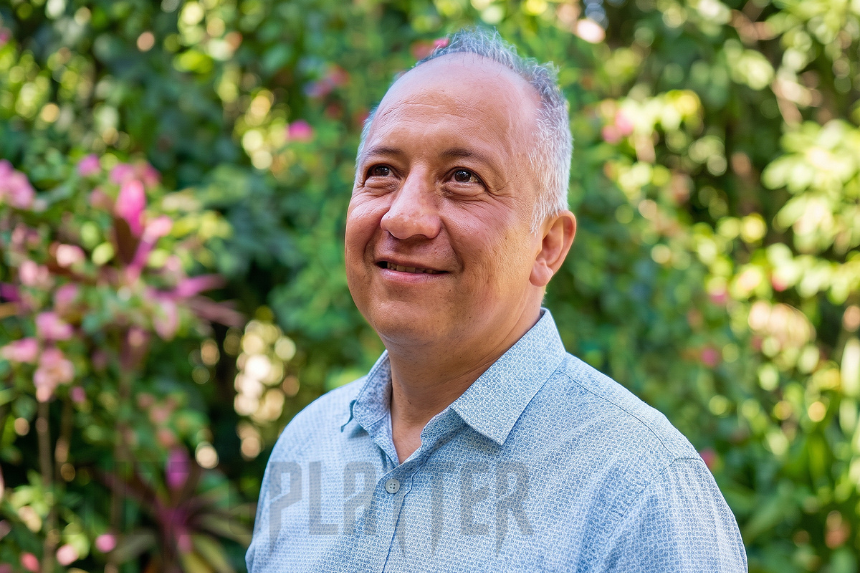
Ernesto Delgado is a restaurateur, chef, and designer whose work reflects a deep connection to Mexican food, cultural heritage, and community. Based in Northern California, he has built a reputation for creating dining spaces that offer more than memorable meals. His restaurants combine regional Mexican cooking, thoughtful interior design, and stories rooted in family traditions.
Who Is Ernesto Delgado?
Ernesto Delgado is a Mexican-born restaurateur and culinary entrepreneur known for developing Mexican-inspired restaurants and hospitality concepts in the Sacramento region. His professional interests extend beyond cooking to include restaurant design, cultural storytelling, and the creation of welcoming spaces where food connects people with history and tradition.
His approach centers on presenting Mexican cuisine with authenticity and respect for its regional diversity. Rather than treating Mexican food as a single, uniform category, his concepts draw attention to traditional ingredients, regional influences, and the cultural experiences behind individual dishes.
Delgado’s work also reflects a practical understanding of the restaurant business. A successful dining establishment requires more than a strong menu; it depends on atmosphere, service, consistency, and a clear identity. By bringing culinary planning and design together, he has developed concepts intended to make each restaurant distinctive.
Ernesto Delgado’s Facts
| Fact | Details |
| Full Name | Ernesto Delgado |
| Profession | Restaurateur, Chef, and Designer |
| Country of Birth | Mexico |
| Hometown | Atacheo, Michoacán, Mexico |
| Moved to the U.S. | At age 5 |
| Early Home in the U.S. | Cloverdale, California |
| Education | California State University, Sacramento |
| Field of Study | Graphic Design |
| High School Graduation | 1990 |
| Flagship Restaurant | Tequila Museo Mayahuel |
| Mayahuel Opening | 2011 |
| Other Restaurant Ventures | Mesa Mercado and La Cosecha |
| Mesa Mercado Opening | 2016 |
| La Cosecha Opening | 2016 |
| Culinary Focus | Regional Mexican cuisine and farm-to-fork ingredients |
| Design Philosophy | Mexican history, mythology, and cultural storytelling |
| Business Region | Sacramento and Northern California |
Early Life and Mexican Roots
Ernesto Delgado was born in Zamora, Michoacán, Mexico, and comes from the small town of Atacheo. His early life provided the foundation for many of the values that later influenced his professional career. At five years old, he moved to the United States with his family and initially grew up in Cloverdale, California, before eventually establishing his career in the Sacramento area.
His parents played particularly important roles in shaping that perspective. His father introduced him to the demands of agricultural work and the importance of discipline, patience, and effort. These experiences helped establish an appreciation for the relationship between the land and the food it produces.
His mother offered a different but equally influential example. Through her cooking and the hospitality she created around her garden kitchen, she demonstrated how food could bring family members together and make people feel welcome. Her approach to cooking represented more than the preparation of meals; it expressed care, generosity, and cultural continuity.
Education and the Influence of Graphic Design
After graduating from high school in 1990, he studied graphic design at California State University, Sacramento. His design studies encouraged him to pay attention to details such as texture, color, composition, and the relationship between objects and their surroundings.
These skills later became an important part of his restaurant concepts. For Delgado, an interior is not simply a backdrop for dining. It can function as a three-dimensional canvas that communicates a story about Mexican culture and history.
This philosophy is particularly visible in his work at Mayahuel, where murals, artistic displays, and references to ancient Mexican traditions help establish the restaurant’s identity. The design encourages visitors to engage with Mexican heritage through visual details as well as food and drink.
His experience illustrates how a background outside traditional culinary training can strengthen a restaurant business. Graphic design provides tools for building a recognizable brand, while an understanding of architecture and atmosphere can help turn an ordinary dining room into a distinctive destination.
Tequila Museo Mayahuel: A Celebration of Mexican Culture
One of Delgado’s best-known ventures is Tequila Museo Mayahuel, which opened in downtown Sacramento in 2011. Located on K Street, the restaurant was developed around his ambition to celebrate Mexican cuisine, art, and the cultural significance of agave.
Mayahuel combines regional Mexican dishes with an extensive selection of tequila and mezcal. These spirits have deep connections to Mexican agriculture and craftsmanship, making them a natural part of the restaurant’s cultural focus.
The restaurant’s visual identity is equally important. Murals by artist Gabriel Romo and other artistic elements transform the space into a setting that draws inspiration from Mexican history and mythology. Food presentation, music, artwork, and cocktails work together to create a cohesive experience.
Mayahuel also reflects Delgado’s interest in regional cooking and fresh ingredients. Its culinary philosophy draws on family recipes and traditional flavors while incorporating locally sourced produce. This balance allows the restaurant to honor its roots without separating itself from the agricultural resources and dining culture of Northern California.
The concept received wider attention as its reputation grew. Mayahuel was featured in regional food and lifestyle publications, and its distinctive approach helped establish Delgado as a restaurateur interested in cultural storytelling as much as the business of serving meals.
Mesa Mercado: Family Traditions and Oaxacan Inspiration
In 2016 at the Milagro Centre. The concept was designed as a lively, Oaxacan-inspired market and eatery that connects regional Mexican food with the warmth of family gatherings.
The restaurant’s inspiration reflects the influence of Delgado’s mother and her approach to cooking. Her kitchen represented a place where fresh ingredients, traditional recipes, and hospitality naturally came together. Mesa Mercado extends that spirit into a public dining environment.
Its market-inspired identity also connects with a broader interest in regional Mexican specialties. Oaxaca is known for its distinctive moles, chiles, herbs, and culinary traditions, offering a rich foundation for a restaurant seeking to communicate the diversity of Mexican cuisine.
For Delgado, the wider purpose of such a concept is to make dining feel personal rather than purely commercial. By drawing on familiar family experiences and regional food traditions, he creates a connection between the customer’s meal and the cultural history behind it.
La Cosecha: Food and Community in Downtown Sacramento
Opened in 2016, La Cosecha brought another dimension to Delgado’s restaurant portfolio. Situated at Cesar Chavez Plaza in downtown Sacramento, the market-hall-style concept was developed to connect Mexican food with the energy of the city center.
The name La Cosecha means “the harvest” in Spanish, a fitting expression of Delgado’s interest in agriculture, fresh ingredients, and the relationship between food and the land. The concept also reflects his belief that restaurants can contribute to community life by creating inviting places for people to gather.
Its downtown setting gave the project a role beyond serving meals. It was envisioned as part of an effort to bring more activity to the plaza and connect dining with the surrounding public space. The idea reflects an important aspect of Delgado’s approach to hospitality: a restaurant can be both a business and a meeting place that helps strengthen a neighborhood.
Culinary Philosophy and Approach to Hospitality
Across his restaurant concepts, several principles consistently define Delgado’s work. The first is respect for the regional diversity of Mexican cuisine. Traditional Mexican food includes a wide range of local ingredients, preparation methods, and historical influences. Presenting that variety requires more than reproducing familiar dishes; it involves understanding the cultural context in which food developed.
The second principle is the importance of fresh, locally sourced ingredients. His farm-to-fork approach connects the traditions he remembers from his childhood with California’s agricultural landscape. This emphasis also highlights the value of seasonal produce and the people responsible for growing it.
Finally, Delgado treats hospitality as an experience shaped by many details. Food, service, design, music, and atmosphere all influence how guests perceive a restaurant. When these elements work together, a meal can become an opportunity to learn about another culture while enjoying its cuisine.
Other Ventures and Community Involvement
Delgado’s work has extended beyond his three signature concepts. His hospitality projects have included involvement with Sal’s Tacos, which became part of his business activities during the COVID-19 pandemic. The period presented significant challenges for restaurants across the country, requiring owners and operators to adapt to changing customer needs and difficult business conditions.
Delgado has also participated in conversations about Mexican cuisine, cultural preservation, and the future of Sacramento’s downtown district. His experience offers a perspective on how independent restaurants can contribute to local identity while operating within a competitive hospitality industry.
Recognition and Lasting Influence
One of the most notable milestones associated with Delgado’s career is the recognition received by Mayahuel for its distinctive combination of Mexican cuisine, tequila, and artistic presentation. The restaurant gained attention in food and lifestyle coverage for treating Mexican culture as an integral part of the dining experience rather than simply a decorative theme.
His broader significance lies in the way he brings several professional interests together. His design education informs the visual identity of his restaurants, his childhood experiences shape their culinary direction, and his business decisions translate those ideas into places that serve the public.
This combination is particularly relevant in Sacramento, where restaurants help introduce diners to different culinary traditions and contribute to the character of commercial districts. Delgado’s projects demonstrate how cultural identity can become a central part of a restaurant’s purpose without losing sight of the practical demands of hospitality.
Conclusion
Ernesto Delgado’s journey from Atacheo, Michoacán, to Sacramento’s restaurant scene illustrates how family traditions, education, and entrepreneurship can come together to shape a distinctive career. His work as a restaurateur, chef, and designer reflects a commitment to sharing Mexican culture through food, art, and hospitality.
Through Tequila Museo Mayahuel, Mesa Mercado, and La Cosecha, he has developed dining concepts that emphasize regional flavors, thoughtful design, and the importance of community. The influence of his parents remains central to this approach, connecting the agricultural lessons of his childhood with his mother’s example of generosity and care.