
Pain can change far more than a person’s comfort level. It may disrupt sleep, make work or exercise harder, limit time with family, and turn routine tasks such as driving, walking, or lifting into daily challenges. Chiropractic pain management is one conservative option that may help some people address musculoskeletal discomfort while working toward better movement and function.
The best care is individualized. A chiropractor may support adults with back, neck, or joint concerns, while family-focused practices may also offer pediatric care for age-appropriate needs. In every case, care should begin with a thoughtful history, clear goals, informed consent, and referral for medical evaluation when symptoms suggest a more serious condition.
Why Pain Management Often Needs More Than One Tool
Pain rarely resolves with a single treatment. For example, low back pain may require symptom relief, walking guidance, better lifting habits, sleep support, and gradual exercise. Education, movement, hands-on therapy, stress management, medication review, and medical care all have roles depending on the individual and the cause.
Chiropractic care can be part of this plan but shouldn’t be seen as a cure-all or a substitute for medical diagnosis. An effective plan focuses on helping a person do what they want more comfortably, like sitting through meetings, walking, playing with children, or resuming favorite activities.
What Chiropractic Pain Management Involves
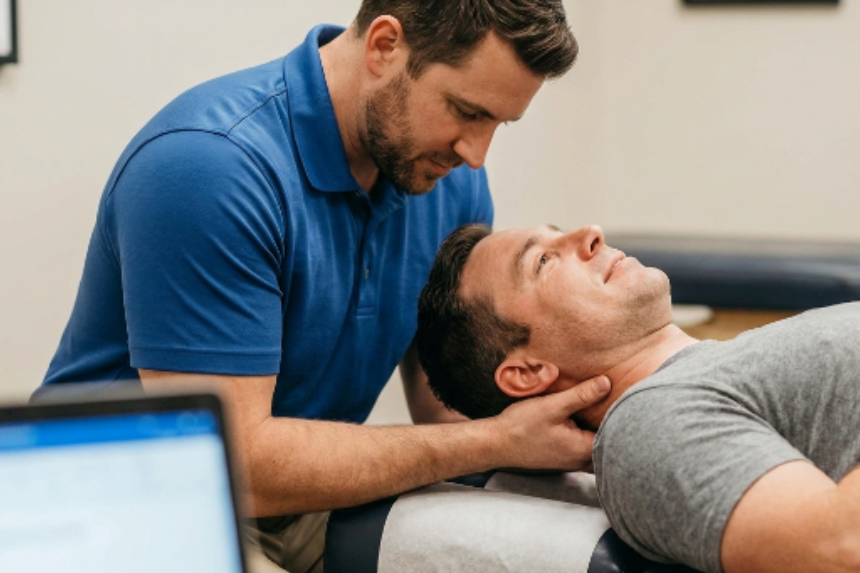
Chiropractic care is a form of conservative, hands-on care that commonly focuses on the spine, joints, muscles, posture, and movement patterns. A visit may include:
- A review of symptoms, health history, medications, injuries, and prior treatment.
- Movement, posture, strength, and range-of-motion checks.
- Spinal or joint manipulation when appropriate and agreed upon.
- Soft-tissue work, stretching, mobility guidance, or activity advice.
- Home exercises that support strength, confidence, and daily function.
Not every person needs the same techniques. A responsible plan should reflect the patient’s health history, comfort level, goals, and response to care.
Potential Benefits for Everyday Pain
Results vary by condition, pain duration, overall health, and the treatment plan. Some people experience short-term improvement in low back pain, neck pain, stiffness, or movement limitations. When symptoms ease, it may become easier to walk, sit, work, exercise, or sleep.
- Less discomfort: Some people report reduced back, neck, or joint pain.
- Better mobility: Care may help when stiffness or discomfort limits normal motion.
- Improved function: Symptom relief may support a return to meaningful daily activities.
- A non-drug option: Some people prefer discussing conservative approaches before or alongside medication.
- Support for active recovery: Hands-on care may be most useful when paired with gradual movement and exercise.
What Current Research Says in 2026
Research supports spinal manipulation for some cases of low back pain, although average benefits are often modest, and no treatment works equally well for everyone. Current pain research increasingly emphasizes active participation, including movement, education, sleep, stress support, and self-management, instead of relying on passive treatment alone.
A 2026 VA research brief described a study of more than 3,000 Veterans receiving practitioner-delivered acupuncture, chiropractic care, or massage for chronic musculoskeletal pain. Clinically meaningful pain interference improvement was seen in 39.5% with practitioner care and 41.1% with self-care like yoga, meditation, or Tai Chi. The small difference doesn’t prove chiropractic works for everyone, but highlights the value of combining professional support with self-care. The 2026 PACBACK trial also found clinician-supported self-management reduced disability more than guideline-based medical care for high-risk chronic pain patients. Combining self-management with spinal manipulation didn’t show a clear extra benefit, emphasizing active strategies’ importance in care.
Conditions Commonly Discussed with a Chiropractor
Conservative chiropractic care may be considered for short-term or recurring low back pain, some types of neck pain, muscle tightness, joint stiffness, minor strain-related movement problems, headaches associated with neck tension, and discomfort related to prolonged sitting, work, or exercise. The source of pain matters. Severe, unexplained, worsening, or unusual symptoms should be medically evaluated before hands-on treatment begins.
The Value of Exercise and Self-Management
Hands-on treatment may provide temporary relief, but lasting progress often depends on what happens between visits. Gradual activity can help rebuild confidence and function without pushing the body too hard, too soon.
- Start a walking routine that matches your current ability.
- Use mobility or strengthening exercises recommended for your condition.
- Break up long periods of sitting and change positions regularly.
- Practice safer lifting, reaching, and work habits.
- Track sleep, pain triggers, activity levels, and functional progress.
What a Typical Visit May Look Like
- Discuss the concern: Explain when the pain started, what changes it, and how it affects life.
- Review health history: Share relevant injuries, surgeries, conditions, and medications.
- Complete an assessment: The provider may check movement, posture, strength, and tenderness.
- Set practical goals: Goals might include sleeping better, walking farther, or returning to work.
- Choose appropriate care: This may involve education, exercise, manual techniques, or referral.
- Reassess progress: A plan should be adjusted when results do not match the goals.
Safety, Risks, and When to Seek Medical Care
Mild soreness or discomfort may occur after manual treatment. Inform the provider of any concerning reactions and stop care if a technique feels unsafe or very painful. Screening is vital for those with recent fractures, severe osteoporosis, neurological conditions, serious illness, or complex injuries. Seek urgent medical care for new weakness, worsening numbness, loss of coordination, bladder or bowel control, fever with severe back pain, unexplained weight loss, chest pain, fainting, trouble breathing, or severe pain after trauma. Chiropractic care should not delay urgent evaluation when red-flag symptoms occur.
Chiropractic Care Compared With Other Options
- Physical therapy often focuses on exercise, strength, balance, and movement retraining.
- Primary care can assess medical causes, review medications, and coordinate referrals.
- Massage therapy may help some people manage muscle tension and relaxation.
- Behavioral pain support can address stress, sleep problems, fear of movement, and the emotional effects of chronic pain.
- Medication may be appropriate in selected cases and should be reviewed with a qualified clinician.
Questions to Ask Before Starting Care
- What may be causing my pain?
- What are the treatment goals, and how will progress be measured?
- Which techniques may be used, and what are their risks and expected benefits?
- What exercises or home steps should I follow?
- When should the plan change, or when should another provider be involved?
Common Questions About Chiropractic Pain Management
Can chiropractic care help with back pain?
It may help some people with certain types of low back pain, particularly by improving short-term pain and movement. Results vary, and an active self-management plan remains important.
Is chiropractic care a replacement for medical treatment?
No. It may complement other care, but it does not replace urgent evaluation, diagnosis, medication review, surgery, or specialist treatment when those services are appropriate.
How quickly should results happen?
Timing depends on the cause and duration of pain, severity, activity level, and overall health. Look for measurable goals and regular reassessment, rather than open-ended care without clear progress.
Focus on Function, Not Promises
Chiropractic pain management may help some people move more comfortably and participate more fully in daily life. The strongest approach is practical and shared, combining appropriate assessment, honest expectations, hands-on care when suitable, regular movement, healthy routines, and medical guidance when needed.