
Introduction
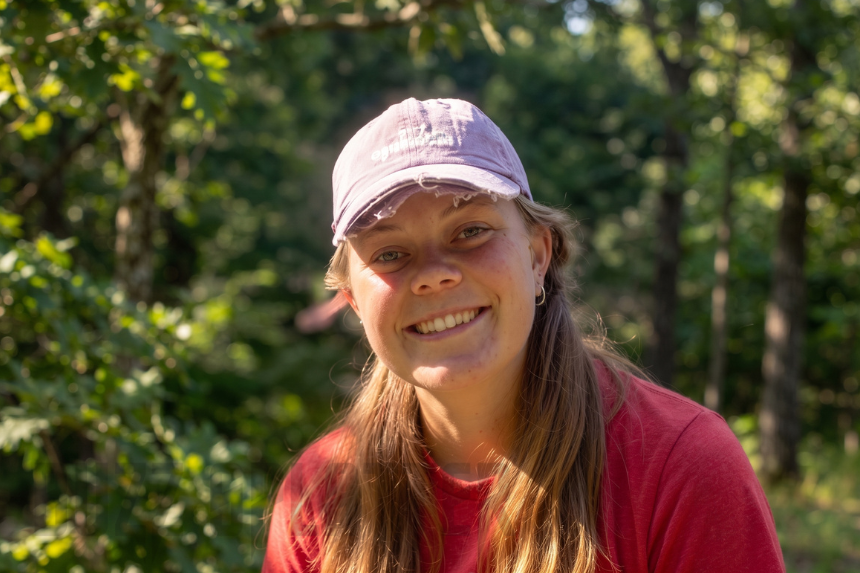
Audrey Wong FCSN is a U.S.-based pharmacist and global health advocate whose work extends across antimicrobial resistance, climate change, sustainable food systems, and youth engagement in international policymaking. With academic training in biochemistry and pharmacy, she has contributed to initiatives involving the World Health Organization, the United Nations, and international pharmacy organizations. Her FCSN designation, Fellow of the Chemical Society of Nigeria, further reflects her professional standing and connection to the broader chemical and pharmaceutical sciences community.
Audrey Wong FCSN: Key Facts
| Fact | Details |
| Full Name | Dr. Audrey Wong |
| Known For | Pharmacy, global health advocacy, youth leadership, and sustainability initiatives |
| Professional Field | Pharmacy and global health |
| Nationality | American |
| Hometown | St. Cloud, Minnesota, U.S. |
| Undergraduate Degree | B.A. in Biochemistry, College of St. Benedict, 2018 |
| Doctoral Degree | Pharm.D., UNC Eshelman School of Pharmacy, Class of 2022 |
| Key Health Focus | Antimicrobial resistance (AMR) and One Health |
| Major Youth Initiative | Co-led the 2022 Global AMR Youth Summit |
| IPSF Role | Chairperson of External Relations, 2021–2023 |
| WHO/UN Involvement | Youth engagement and antimicrobial-resistance initiatives |
| Climate Advocacy | Advocacy Lead, YOUNGO Health Working Group |
| Food Systems Role | World Food Forum Youth Policy Board, North America, 2024–2025 |
| Professional Honor | FCSN – Fellow of the Chemical Society of Nigeria |
| Public Speaking | WHO events, World Health Assembly, UN Water Conference, and climate-health forums |
| Primary Areas of Advocacy | Global health, climate change, AMR, nutrition, food waste, and youth empowerment |
| Current Career Focus | Pharmacy, global health policy, sustainability, and youth advocacy |
Audrey Wong’s Education and Early Background
Audrey Wong grew up in St. Cloud, Minnesota, where she developed an interest in science and global issues. She attended the College of St. Benedict in St. Joseph, Minnesota, earning a Bachelor of Arts degree in Biochemistry in 2018.
Her undergraduate education provided a foundation in the chemical and biological sciences before she moved into professional pharmacy training. Wong subsequently attended the University of North Carolina Eshelman School of Pharmacy, earning her Doctor of Pharmacy degree with the Class of 2022.
She became involved with international student organizations and youth initiatives, particularly through the International Pharmaceutical Students’ Federation (IPSF). These experiences helped shape an interest in using healthcare expertise to address problems that cross national and disciplinary boundaries.
A Career Linking Pharmacy and Global Health
After completing her Pharm.D., Wong developed a career that combined pharmacy with global health advocacy. Rather than limiting her work to clinical healthcare, she became increasingly involved in policy discussions concerning issues that affect healthcare systems worldwide.
One of her most significant areas of focus has been antimicrobial resistance (AMR). AMR occurs when microorganisms such as bacteria, viruses, fungi, and parasites become resistant to medicines used to treat infections. The problem presents major challenges for healthcare systems because it can make common infections harder to prevent and treat.
Wong became particularly involved in youth engagement around AMR. In 2022, she co-led the Global AMR Youth Summit, organized under the WHO/FAO/UN Quadripartite Secretariat on Antimicrobial Resistance.
Her involvement subsequently developed into a broader leadership role. She became associated with the Quadripartite Working Group on Youth Engagement, helping strengthen the participation of younger generations in discussions surrounding One Health and antimicrobial resistance.
Leadership Through the International Pharmaceutical Students’ Federation
Wong’s international leadership also developed through the International Pharmaceutical Students’ Federation, commonly known as IPSF. The organization connects pharmacy students and young pharmacists around the world and provides opportunities for education, professional development, exchanges, and advocacy.
From 2021 to 2023, Wong served as Chairperson of External Relations. The position placed her at the intersection of pharmacy education, international partnerships, and public health advocacy.
During this period, she participated in conferences, professional discussions, exchange initiatives, and public events involving global health organizations. She was also featured in a WHO webinar addressing medicine pricing and the role of young professionals in healthcare systems.
Her experience with IPSF helped establish a pattern that has continued throughout her career: using a professional pharmacy background as a foundation for broader international engagement.
The Meaning of Audrey Wong FCSN
FCSN stands for Fellow of the Chemical Society of Nigeria. It is a professional postnominal associated with the Chemical Society of Nigeria (CSN), a major professional organization representing the chemical sciences in Nigeria.
For Wong, the fellowship is significant because it connects her pharmaceutical and scientific background with the wider international chemistry community. Pharmacy is closely linked to chemistry through drug development, formulation, medicinal chemistry, pharmacology, and the scientific understanding of medicines.
The FCSN designation therefore forms part of a professional profile that crosses traditional boundaries between pharmacy, chemistry, public health, and international advocacy. It should not be confused with other Nigerian professional designations, such as FICCON, which refers to Fellow of the Institute of Chartered Chemists of Nigeria.
Climate Change and Youth Advocacy
Wong’s work has also expanded into climate and environmental issues. She serves as an Advocacy Lead for the YOUNGO Health Working Group, connecting youth perspectives with discussions about climate and health.
The connection between climate change and health has become increasingly important in global policy. Changes in temperature, extreme weather, food systems, air quality, infectious disease patterns, and healthcare infrastructure can all influence public health.
For a pharmacist and health advocate, this broader perspective provides an opportunity to examine health challenges beyond the traditional boundaries of medicine. Wong’s advocacy reflects the idea that protecting health also requires attention to environmental conditions and the systems that shape people’s access to food, medicines, clean water, and healthcare.
Her participation in international forums, including the World Health Assembly and the United Nations Water Conference, has further expanded her exposure to global health and sustainability discussions.
Involvement With the World Food Forum
Wong’s advocacy has also reached the food and agriculture sector. She was named to the World Food Forum Youth Policy Board for 2024–2025, representing North America.
The World Food Forum focuses on transforming agrifood systems and encouraging young people to contribute to the future of food and agriculture. Wong’s participation fits naturally within her broader interests in health and sustainability.
Food systems influence nutrition, environmental health, waste, and long-term public health outcomes. By becoming involved in these discussions, Wong has extended her professional interests beyond pharmaceuticals toward the larger systems that determine population health.
Her focus has included subjects such as food waste, nutrition, and the development of healthier and more sustainable food systems.
A Career Built Around Youth Participation
A recurring theme throughout Wong’s professional work is youth engagement. Her leadership positions have consistently involved creating opportunities for younger professionals and advocates to participate in international policy conversations.
This emphasis matters because global health decisions often have consequences that extend across generations. Young healthcare professionals will ultimately inherit responsibility for addressing challenges such as antimicrobial resistance, climate-related health risks, food insecurity, and changing healthcare systems.
Wong’s work seeks to make youth participation more than symbolic. Through organizations such as IPSF, YOUNGO, the World Food Forum, and the Quadripartite AMR structure, she has participated in initiatives designed to bring youth perspectives into established international institutions.
Public Speaking and International Engagement
Wong has appeared as a speaker and panelist at a range of international events. Her public engagements have included WHO-related webinars, global health meetings, climate-health discussions, and United Nations events.
These appearances have helped broaden her professional profile beyond pharmacy. Instead of presenting healthcare as an isolated discipline, her advocacy frequently connects medicine with environmental sustainability, food systems, and policy.
Conclusion
Audrey Wong FCSN bridges pharmacy, global health, sustainability, and youth leadership. Earning her Pharm.D. at UNC after studying biochemistry in Minnesota, her career extends far beyond traditional pharmacy.
Her work in antimicrobial resistance, climate, food systems, and youth advocacy highlights the interconnectedness of modern global health, while her FCSN title underscores her international chemistry connection.
Wong demonstrates how healthcare expertise can address complex policy issues through interdisciplinary, youth-led collaboration across science, medicine, and global institutions.