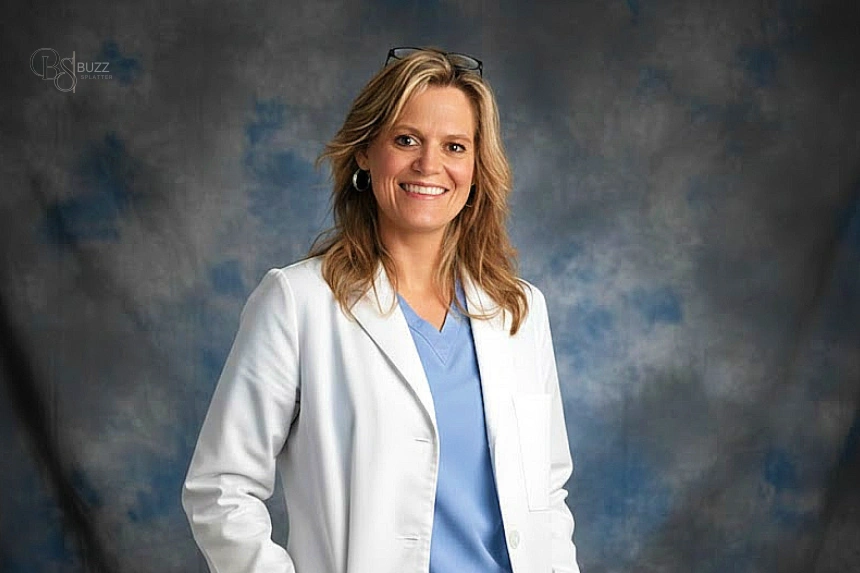
Innovating STEM Education Through Research, Technology, and Student Mentorship
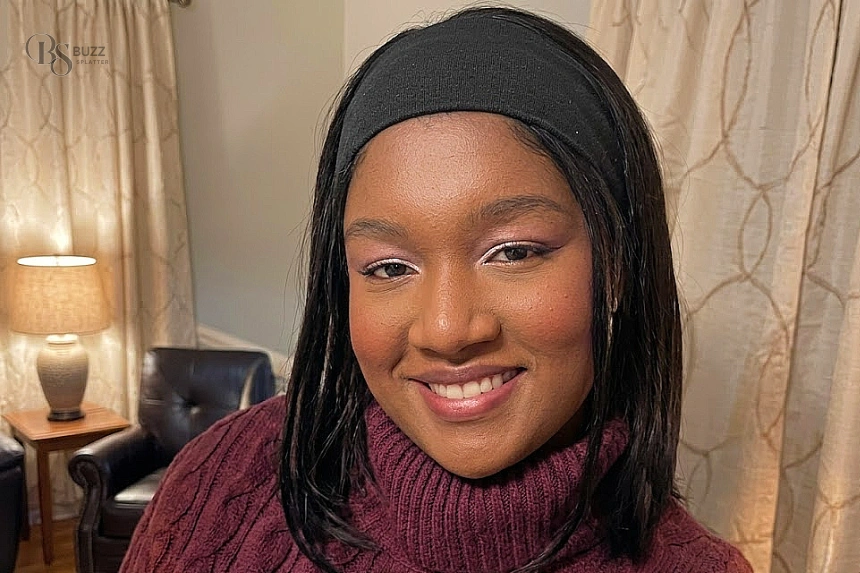
In the evolving landscape of K-12 and online education, few educators embody the integration of research, technology, and student mentorship as fully as Dr. Jan Hirtz Liberty University. A science educator and scholar, Dr. Jan Anderson Hirtz has built a career grounded in rigorous academic preparation, classroom excellence, and a commitment to meaningful student engagement.
Affiliated with Liberty University, Dr. Hirtz represents a model of contemporary educational leadership, one that bridges traditional science instruction with innovative digital pedagogy. Her work in STEM education, teacher leadership, and curriculum design reflects both scholarly depth and practical classroom wisdom.
Dr. Jan Hirtz – Quick Facts
| Facts | Details |
| Full Name | Dr. Jan Anderson Hirtz |
| Affiliation | Liberty University |
| Current Role | Science Educator & Faculty Member, Liberty University Online Academy (LUOA) |
| Field of Expertise | STEM Education, Curriculum & Instruction |
| Highest Degree | Doctor of Education (EdD) |
| Degree Institution | Liberty University |
| Year Earned | April 2020 |
| Dissertation Focus | Impact of Nearpod on student engagement in high school anatomy |
| Research Interests | Technology-enhanced learning, STEM motivation, online curriculum design |
| Teaching Experience | Biology, Earth Science, Anatomy, Physics |
| Career Certification | Certified Global Career Facilitator (GCF) |
| Community Involvement | Education advocacy and regional school support initiatives |
| Location of Work | Southern Virginia, United States |
Academic Foundation and Doctoral Research
Dr. Jan Hirtz’s academic journey reflects a thoughtful blending of science and educational theory. With advanced academic training in chemistry and biology, including graduate-level coursework in organic chemistry, she developed a strong disciplinary foundation before pursuing her doctoral studies.
In April 2020, she earned a Doctor of Education (EdD) in Curriculum & Instruction from Liberty University’s School of Education. Her dissertation, titled “Does the Interactive Push-Presentation System Nearpod Effect Student Engagement in High School Anatomy?”, explored a question central to modern education: how can interactive technology meaningfully enhance student engagement in STEM classrooms?
Her research focused on a rural Virginia high school anatomy and physiology class, examining how cloud-based presentation tools, specifically Nearpod, could influence intrinsic motivation, attention, and classroom participation. By analyzing student engagement through the lens of self-determination theory, Dr. Hirtz contributed valuable insight to the growing body of research on technology-enhanced STEM instruction.
Early Career: Excellence in Southern Virginia Classrooms
Before transitioning into university-affiliated roles, Dr. Hirtz built her reputation as an award-winning high school science teacher in Southern Virginia. She taught a broad range of subjects—including biology, earth science, anatomy, and physics, demonstrating both disciplinary fluency and instructional versatility.
Her work extended beyond subject instruction. As a certified Global Career Facilitator (GCF), Dr. Hirtz played a key role in helping students connect academic learning to future career pathways. Partnering with regional education initiatives, she rotated between multiple high schools, engaging students in career exploration programming and college-readiness activities.
Through these efforts, she reached more than 1,500 students in grades nine through twelve, organizing tours, hosting informational sessions, and facilitating career-centered discussions. This early chapter of her career reinforced a defining theme: science education must be both academically rigorous and future-oriented.
Her classroom practice combined strong content knowledge with student-centered strategies, an approach that would later shape her work in online and hybrid learning environments.
Leadership and Teaching at Liberty University
After completing her doctorate, Dr. Hirtz expanded her impact through her affiliation with Liberty University. She has served as a science instructor at Liberty University Online Academy (LUOA), developing and delivering digital coursework for middle and high school students.
At LUOA, Dr. Hirtz designs courses in life science, biology, physics, and anatomy, integrating interactive tools and virtual laboratory experiences into the online environment. Recorded instructional materials, including review sessions and laboratory demonstrations, reflect her commitment to clarity, engagement, and accessibility in digital instruction.
Her approach to online teaching emphasizes:
- Interactive presentation systems
- Virtual lab simulations
- Structured problem-solving exercises
- Multimedia-supported conceptual explanations
Rather than viewing online education as a limitation, Dr. Hirtz leverages its flexibility to create dynamic and student-responsive learning experiences. Her work demonstrates how thoughtfully designed digital environments can replicate, if not enhance, the depth of traditional classroom interaction.
Mentorship and Student Leadership
A defining dimension of Dr. Jan Hirtz Liberty University is her commitment to mentorship. Beyond academic instruction, she contributes to student leadership development within the Liberty University Online Academy community.
She has been recognized by students for her involvement in guiding academic organizations, including participation in National Beta Club initiatives. Through these roles, she fosters scholarship, character development, and service, aligning with Liberty University’s broader educational mission.
Her mentorship model reflects three core principles:
- Academic Excellence: Encouraging high achievement in STEM disciplines.
- Personal Responsibility: Guiding students toward goal-setting and accountability.
- Service-Oriented Leadership: Promoting community engagement and ethical citizenship.
This holistic philosophy positions her as not merely a science instructor but as a formative influence in students’ intellectual and personal growth.
Research Interests and Scholarly Contributions
While her primary published research centers on her doctoral dissertation, Dr. Hirtz continues to engage in scholarly inquiry related to STEM education and technology integration.
Her research interests include:
- Technology-enhanced learning environments
- Student motivation in science classrooms
- Online and hybrid curriculum design
- Interactive learning platforms in K–12 settings
- STEM engagement strategies in rural communities
Her Nearpod-based dissertation adds to ongoing academic discussions regarding digital engagement tools in secondary science education. By grounding her instructional methods in research, she exemplifies evidence-based practice—ensuring that innovation is supported by measurable outcomes.
Additionally, she collaborates informally with fellow educators and faculty, sharing insights into digital pedagogy and curriculum refinement. These professional exchanges strengthen the broader educational ecosystem at Liberty University and beyond.
Community Engagement and Regional Impact
Dr. Hirtz’s influence extends beyond institutional boundaries. As an active member of her local educational community in Southern Virginia, she has supported initiatives aimed at strengthening academic programs and preserving educational opportunities.
In 2024, she publicly advocated for Appomattox Christian Academy, praising its rigorous academic structure and small-class environment. Her involvement in fundraising and awareness efforts underscored her belief that strong educational institutions are foundational to community vitality.
Her earlier work with regional higher education initiatives further reflects her commitment to connecting students with career pathways and postsecondary opportunities. By serving as a Global Career Facilitator, she helped bridge gaps between high school education, local industries, and colleges.
Instructional Philosophy: Integrating Faith, Learning, and Innovation
As part of Liberty University’s educational environment, Dr. Hirtz’s work aligns with an institutional philosophy that integrates faith and academic excellence.
However, her instructional approach remains firmly rooted in universally applicable educational principles. She emphasizes clear scientific reasoning, applies evidence-based teaching strategies, integrates technology with purpose, and prioritizes student-centered engagement to create meaningful and effective learning experiences.
Her classrooms, whether physical or virtual, emphasize inquiry, exploration, and analytical thinking. By combining rigorous science content with interactive digital tools, she models a forward-looking approach to STEM education.
Key Qualifications and Achievements
Doctor of Education (EdD), Curriculum & Instruction (2020): Specialized in STEM pedagogy and educational technology integration.
Extensive Secondary Science Teaching Experience: Taught biology, anatomy, physics, and earth science in Southern Virginia.
Certified Global Career Facilitator (GCF): Guided students in college and career planning initiatives.
Liberty University Online Academy Faculty Member: Designs and delivers interactive online science courses.
Educational Researcher: Studied the impact of Nearpod on high school science engagement.
Student Leadership Mentor: Supports academic clubs and student service initiatives.
Community Advocate: Actively involved in regional education support efforts.
A Continuing Legacy in Science Education
The professional trajectory of Dr. Jan Hirtz Liberty University illustrates how thoughtful integration of scholarship, technology, and mentorship can elevate educational practice. Her career reflects a consistent commitment to improving STEM instruction—whether through rural classroom teaching, online academy leadership, or doctoral-level research.
In an era where education must adapt rapidly to digital transformation, Dr. Hirtz’s work stands as an example of balanced innovation: rooted in strong scientific knowledge, strengthened by research, and guided by a student-centered ethos.
By blending academic credentials with real-world classroom experience, she contributes meaningfully to the ongoing advancement of science education at Liberty University and throughout Southern Virginia.