Introduction
David Astin is an American science educator, naturalist, and photographer whose career reflects a deep commitment to environmental learning and public engagement with the natural world. Best known for his decades-long work as a high school science teacher in Minnesota, Astin has combined education, conservation, and visual storytelling to inspire thoughtful observation and ecological responsibility across generations.
Facts About David Astin
| Fact | Details |
|---|---|
| Full Name | David Astin |
| Profession | Science educator, naturalist, photographer, author |
| Nationality | American |
| Primary Field | Environmental science and education |
| Teaching Career | Over 30 years as a high school science teacher |
| Known For | Environmental education, wildlife biology courses, nature photography |
| Notable Teaching Roles | Golden Valley High School; Wayzata Senior High School (Minnesota) |
| Major Achievement | Minnesota Science Teacher of the Year (2000) |
| Specialized Courses | Wildlife Biology, Environmental Science |
| Conservation Work | Volunteer with The Nature Conservancy of Minnesota |
| Citizen Science Focus | Phenology studies, bird migration tracking |
| Public Engagement | Nature hikes, birding events, educational talks |
| Photography Focus | Wildlife, ecosystems, seasonal change |
| Published Works | How to Paint and Draw Animals; Learn to Paint and Draw |
| Other Interests | Nature spirituality, environmental ethics |
| Current Status | Retired educator; active conservation volunteer |
| Residence | Golden Valley, Minnesota, USA |
Early Life and Formative Influences
David Astin’s connection to nature began early in life. Raised in southern Wisconsin, he grew up in what he has described as an “outdoor family,” where time spent in natural settings was a normal and valued part of daily life. This upbringing fostered a sense of belonging within the natural world rather than separation from it. As a child, Astin developed an appreciation for landscapes, wildlife, and seasonal rhythms, an awareness that would later shape his professional philosophy.
These formative experiences laid the groundwork for his future roles as an educator and naturalist. Rather than viewing science as a purely abstract discipline, Astin came to understand it as something lived and observed firsthand. This perspective would become central to his teaching style, encouraging students to engage directly with their environments.
Teaching Career and Educational Leadership
Astin began his teaching career in Minnesota in the early 1970s, entering the profession during a period of growing environmental awareness in the United States. His first teaching position was at Golden Valley High School, a suburban school near Minneapolis, where he taught biology and environmental science.
Over a career spanning more than three decades, Astin became widely respected for his innovative teaching methods. He emphasized hands-on learning long before it became a widespread educational trend. Students were encouraged to conduct water-quality monitoring, participate in stream-bank restoration, and engage in other community-based environmental projects. These experiences helped bridge the gap between classroom science and real-world application.
In 2000, Astin played a key role in developing a Wildlife Biology course at Wayzata Senior High School in Plymouth, Minnesota. By that time, he had become a full-time science teacher at Wayzata, overseeing a range of environmental and biology courses that emphasized observation, data collection, and ecological responsibility.
His impact as a mentor is well documented. In a 2013 alumni newsletter, Penn State geoscientist Lee Kump credited Astin, her former high school teacher at Golden Valley High School, with inspiring her interest in science. Such testimonials highlight Astin’s lasting influence on students who went on to pursue careers in scientific research, education, and environmental policy.
Recognition and Professional Honors
David Astin’s contributions to science education did not go unnoticed. Among his most significant honors is being named Minnesota’s Science Teacher of the Year in 2000, a recognition that reflects both his classroom excellence and his leadership in environmental education. He is also described by academic institutions such as Macalester College as an award-winning, three-decade veteran of Minnesota science classrooms.
Beyond formal awards, Astin earned recognition through the respect of colleagues and the success of his students. His work in service learning and conservation education positioned him as a model educator who understood that science teaching extends beyond textbooks and standardized curricula.
Conservation Work and Citizen Science
Parallel to his teaching career, Astin developed a strong presence as a conservation volunteer and naturalist. He worked extensively with The Nature Conservancy of Minnesota, where he led phenology studies at sites such as Schaefer Prairie. These citizen-science projects involved documenting seasonal changes in plant flowering and bird migration over multiple years, contributing valuable observational data while engaging volunteers in hands-on science.
Astin also served as a volunteer guide, leading nature hikes that introduced participants to native species and ecological relationships within tallgrass prairie landscapes. His ability to translate scientific concepts into accessible language made these outings educational for audiences ranging from novice nature enthusiasts to experienced naturalists.
Through these activities, Astin demonstrated how citizen science can serve both educational and conservation goals. By involving the public directly in observation and data collection, he helped foster a sense of shared responsibility for local ecosystems.
Public Speaking and Nature Outreach
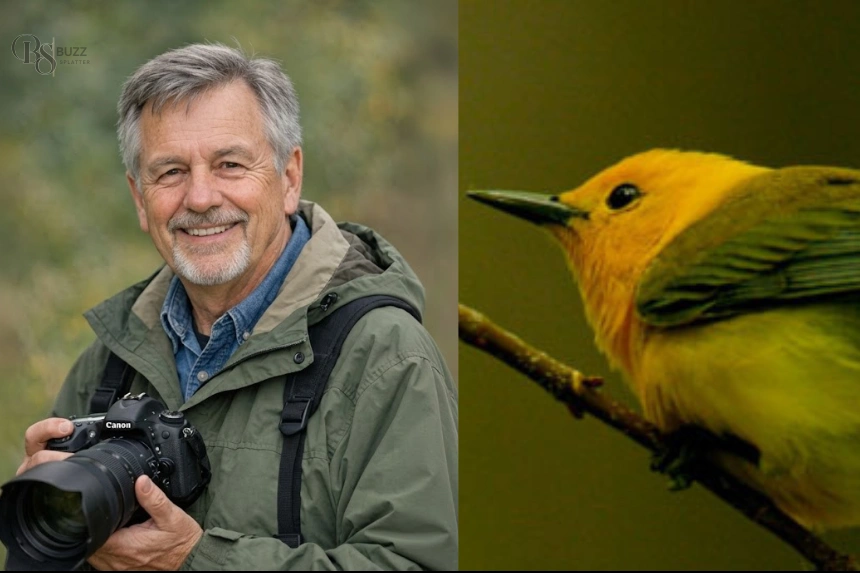
Even after retiring from full-time teaching, Astin remained deeply involved in public education. He became a sought-after speaker, leading birding outings such as annual “Warbler Day” events and delivering illustrated lectures that combine ecology, photography, and reflective insight.
In 2011, he spoke at Macalester College on “Learning to See Nature Through the Lens of a Naturalist Photographer,” a talk that encapsulated his interdisciplinary approach. He emphasized the idea that photography, when practiced carefully, can sharpen observation skills and deepen understanding of natural processes.
Astin has also explored the intersection of nature and spirituality. He co-taught courses at Plymouth Congregational Church in Minneapolis, including series on spring bird migration as a spiritual practice and studies rooted in Celtic spirituality. These programs reflect his belief that scientific knowledge and personal reflection are not mutually exclusive, but rather complementary ways of engaging with the natural world.
Writing, Art, and Publications
In addition to teaching and conservation work, David Astin has made notable contributions as an author and illustrator. In the early 1980s, he authored How to Paint and Draw Animals and co-authored Learn to Paint and Draw: Complete Basic Course. These instructional art books highlight his skill in visual communication and his interest in wildlife illustration.
Astin also contributed illustrations to children’s books and authored works on spiritual themes, including Out Traditions and The Story of Jesus & His Bride. While these publications differ in subject matter, they share a common emphasis on observation, symbolism, and thoughtful engagement with the world.
His artistic work reinforces his broader educational philosophy: careful attention to detail—whether in drawing, photography, or scientific study, leads to deeper understanding.
Photography and Visual Storytelling
Photography has become a central focus of Astin’s later work. He describes his passion as recording what he observes as accurately as possible, allowing others to learn through visual experience. His images often feature birds, prairie landscapes, and seasonal changes, reflecting both scientific interest and aesthetic sensitivity.
Astin maintains a photography gallery and has exhibited his work alongside educational materials. His photographs are not merely decorative; they function as teaching tools that invite viewers to slow down, observe closely, and recognize patterns within nature.
This visual storytelling complements his lifelong emphasis on observation as the foundation of both science and appreciation.
Personal Life and Continuing Engagement
David Astin resides in Golden Valley, Minnesota, with his wife Sue and their family. While retired from formal classroom teaching, he remains actively involved in conservation education. He continues to volunteer with environmental organizations, lead guided hikes, organize community discussions, and participate in citizen-science initiatives.
As of the mid-2020s, he has also been involved in church- and community-based programs that explore ecology, spirituality, and environmental ethics. These ongoing activities reflect his enduring commitment to education as a lifelong process.
Summary
In summary, David Astin’s life reflects a rare fusion of education, conservation, and creative expression. Through decades of teaching, volunteer work, and nature photography, he has fostered curiosity, stewardship, and a deeper appreciation of the natural world. His enduring contributions continue to inspire students, communities, and nature enthusiasts alike, exemplifying the lasting impact of dedicated science education and thoughtful engagement with the environment.