An interior architect selecting surface materials for a boutique hotel lobby faces the challenge of balancing visual warmth with durability. This search often leads to unglazed terracotta, a clay-based tile option prized for its earthy, tactile finish and rich color variation. Yet, sourcing the right batch demands more than aesthetic preference. Differences in clay composition, firing temperature, and supplier practices can significantly affect how these tiles perform once installed. By understanding the technical and ethical considerations behind sourcing, professionals can specify tiles that not only deliver in appearance but also stand up to the demands of contemporary interiors.
Choosing the right supplier for these distinctive tiles means more than browsing samples. It involves evaluating production methods, porosity levels, and even the ethical standards behind each batch. Whether the project calls for a hand-molded hexagon or a custom color blend, careful scrutiny of each step in the sourcing process ensures the final installation achieves both design intent and long-term resilience.
Evaluating Clay Composition and Firing Techniques for Architectural Projects
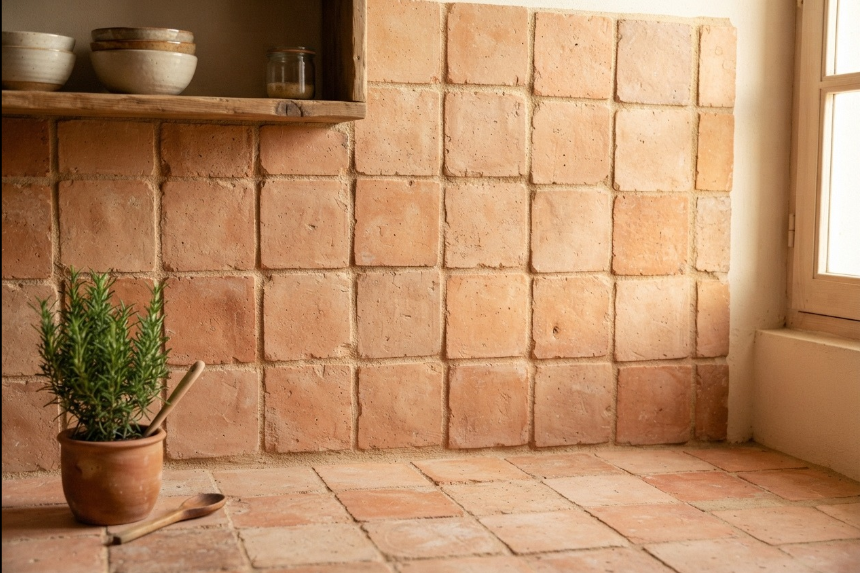
The foundational quality of any unglazed terracotta tile begins with its raw clay blend and how it is fired. Different sources of clay produce varying shades and strengths; for example, iron-rich clay yields deeper reds, while lighter clays create subtler tones. Interior architects should request detailed material data sheets from potential suppliers to compare the mineral makeup of their offerings. This is particularly important when matching new tiles to an existing floor or ensuring consistency across large-format installations.
Firing technique is another critical factor affecting tile performance. Lower temperature firing can produce a softer, more porous product, while high-temperature kilns improve hardness and make the tile less prone to chipping. Architects specifying tiles for high-traffic spaces should confirm firing temperatures with suppliers and ask about routine quality control procedures. Comparing ceramic firing methods helps readers select options aligned with project needs.
Exploring these manufacturing differences early in the sourcing process prevents costly surprises after installation, such as unexpected color shifts or premature surface wear. Designers who take the time to evaluate both clay source and firing will be better equipped to select tiles that meet both visual and functional demands.
Assessing Porosity Ratings and Sealing Requirements in High Traffic Zones
Porosity directly impacts how terracotta tiles respond to moisture and staining, a key concern in restaurants, entryways, and hospitality projects. Tiles with higher porosity absorb more liquid, making them vulnerable to staining and requiring more maintenance. Sourcing teams should request laboratory porosity ratings, often expressed as a percentage of water absorption, for each tile option being considered.
Some manufacturers offer pre-sealed tiles, but most unglazed clay tiles require on-site sealing after installation. Documenting sealing requirements and recommended products during specification guarantees the finished surface will perform as intended. For areas exposed to frequent spills or cleaning, architects should select sealers designed specifically for porous, unglazed clay, ensuring that the finish remains both breathable and stain-resistant.
Local regulations or client safety standards may also influence which sealers are acceptable, especially in food service or healthcare environments. Reviewing tile porosity standards aids in specifying the right tile for each application and helps prevent future maintenance issues.
Verifying Manufacturer Authenticity and Artisan Sourcing Standards
Authenticity in terracotta tile production relates both to traditional craftsmanship and responsible sourcing. Many interior architects seek out handmade or small-batch tiles, which often display subtle variations and unique textures. However, verifying that a supplier truly supports artisanal methods can be challenging. Requesting documentation of production processes, such as photos of the workshop or a written description of hand-molding practices, helps ensure claims of craftsmanship are genuine.
Ethical sourcing further extends to labor conditions and environmental practices. Tiles sourced from workshops that adhere to transparent, fair labor policies not only contribute to responsible design but also appeal to clients prioritizing sustainability. Some suppliers provide third-party certifications or traceability reports, which can be requested during the sourcing process for added assurance.
For projects where authenticity and provenance are paramount—such as historic renovations or boutique hospitality environments—these verification steps help distinguish truly artisanal tiles from mass-produced alternatives and support a more meaningful sourcing narrative.
Coordinating Custom Color Palettes and Dimensional Tolerances with Suppliers
Custom color matching and precise sizing are critical for achieving a seamless look, particularly when integrating clay tiles with other natural materials. Interior architects should provide physical samples or high-resolution imagery when requesting bespoke color blends, as subtle shifts in clay composition and firing can create noticeable differences in the final product.
Dimensional tolerances—the acceptable range of size variation within a batch—should be clearly specified in order documentation. Even with handmade production, reputable suppliers can provide typical tolerance ranges and advise how best to stagger or align tiles for a uniform appearance. When working with large or geometric patterns, confirming these tolerances in advance prevents unexpected grout line inconsistencies during installation.
For example, those sourcing Unglazed Terracotta Tiles for a restaurant floor might coordinate a custom color palette to complement brand identity and verify size tolerances to ensure the pattern remains consistent across the space. Clear communication with the supplier about these preferences results in a finished floor that meets both aesthetic and technical expectations.
Conclusion
For interior architects, the best next step is to engage directly with potential suppliers: request clay composition data, firing details, porosity ratings, and documentation of artisan practices before committing to a purchase. This proactive approach to Unglazed Terracotta Tiles sourcing ensures that each project not only achieves its design vision but also delivers lasting value and performance.