Severe weather strikes fast, leaving homeowners with unexpected property damage. High winds, heavy hail, and falling branch debris create severe strain on roofs, gutters, and siding.
Taking quick action minimizes secondary destruction to the foundation and interior rooms. Following a structured recovery plan protects your investment and streamlines the restoration process.
Prioritizing Safety Immediately After The Storm
Safety must come first when severe weather passes through your neighborhood. Downed power lines, fallen tree limbs, and shattered glass create dangerous hazards around your yard.
Stay indoors until local authorities declare your area safe for outdoor movement. Avoid walking through standing water near electrical boxes or submerged outlets.
Smell for gas leaks or listen for strange whistling sounds near utility meters. Turn off gas main valves if you suspect gas leaks, then call local utility services.
Inspecting Your Home Exterior From Ground Level
Conducting an exterior walkthrough offers a clear picture of initial property damage. Walk around the perimeter of your building with a notebook or smartphone ready.
Conducting an outdoor inspection with binoculars helps locate potential problems. Homeowners who identify issues early can schedule professional storm damage roofing repairs to secure structural integrity. Avoid climbing on steep surfaces yourself to eliminate fall hazards.
Examine exterior siding, window frames, and outdoor fixtures for impact marks. Take clear notes on every spot where debris struck exterior surfaces.
Documenting All Visible Property Damage
Take clear photos and videos of all storm damage before cleaning or making repairs. Start with wide photos showing your home, yard, roof, and other affected areas. Then take close-up photos of broken windows, damaged shingles, fallen branches, or other problems. Good records can help support your insurance claim.
Write down what happened and when you noticed each problem. You can record which photos show each damaged area. These notes can make it easier to explain the damage to your insurance company.
- Take photos before cleanup
- Record all damaged areas
- Use wide and close photos
- Add dates to files
- Keep backup copies
- Write down important details
Identifying Signs Of Wind And Hail Damage
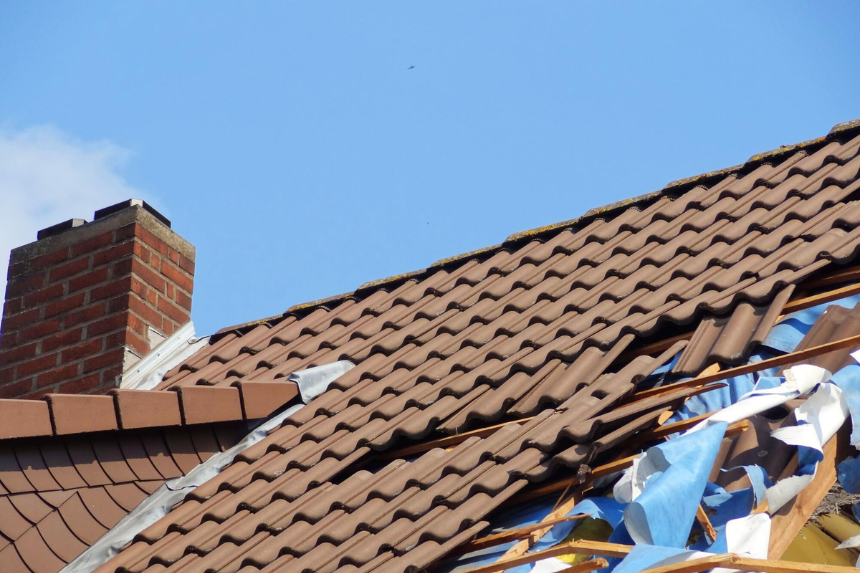
Strong winds can lift, loosen, or completely remove roof shingles. Look for shingles with raised edges, missing pieces, or visible creases. Creased shingles may no longer seal the roof properly, allowing water to enter during later rain.
Hail can leave round dents, dark marks, or small damaged areas on asphalt shingles. It can knock away the small granules that protect shingles from sunlight and weather. Check these areas carefully, as damage may not always be easy to see from the ground.
Check metal vents, gutters, and downspouts for dents or small marks. These signs can show that hail hit your property with enough force to cause damage. Take photos of all damage before making repairs or cleaning the area.
Checking For Water Leaks Inside The House
After heavy rain, check your home for signs of water leaks. Look at ceilings, walls, and upper rooms for dark stains or wet areas. Sagging drywall can show that water has entered the house and may need quick attention.
Check the attic if it is safe to enter. Look at the roof boards, insulation, and wooden supports for wet spots or signs of water. A flashlight can help you find small drops or damp areas that may be hard to see.
Place a bucket under any active leak to protect your floors and furniture. Dry wet surfaces when possible and remove standing water. Contact a professional quickly if you find ongoing leaks or signs of serious damage.
Contacting Your Insurance Provider Early
Contact your insurance company soon after you find storm damage. Early communication can help you understand what to do next and may help start the claim process sooner. Check your policy for any deadlines that apply to storm damage claims.
Have your policy number ready when you call. Explain when the storm happened and what parts of your property were damaged. Your insurance company may ask for photos, videos, repair estimates, or other documents to support your claim.
Ask for the claim number after you file the claim. Write it down and keep it with your other insurance records. You can use this number when speaking with the insurance company later, making it easier to track updates and provide additional information.
Understanding Your Specific Insurance Coverage
Your insurance policy explains what storm damage is covered and how much your insurer may pay. Read the policy to understand your coverage limits, deductibles, and other important rules. This can help you avoid surprises when making a claim.
Different storms may have different coverage rules. Many policies cover wind and hail damage, while flood and earthquake damage often need separate coverage. Your policy may set limits for roofs, windows, and other parts of your home.
Check if your policy offers actual cash value or replacement cost coverage. Replacement cost can pay for new materials without subtracting depreciation from their value.
- Check your policy limits
- Review your deductible
- Know covered storm damage
- Check flood coverage
- Check earthquake coverage
- Review roof coverage
Taking Temporary Protective Measures
When a storm damages your roof, take steps to protect your home until permanent repairs can be made. A strong tarp can cover exposed roof areas and help keep rain from entering the house. Make sure it is secured well and does not create another safety risk.
Broken windows should be covered with plywood or another strong material. This can help keep rain, wind, and debris outside. Keep all receipts for tarps, boards, nails, and other supplies because your insurance company may cover some temporary repair costs.
Avoid making major or permanent repairs before the insurance adjuster has inspected the damage. Temporary work should focus on protecting the home and preventing more damage.
Avoiding Unlicensed Emergency Contractors
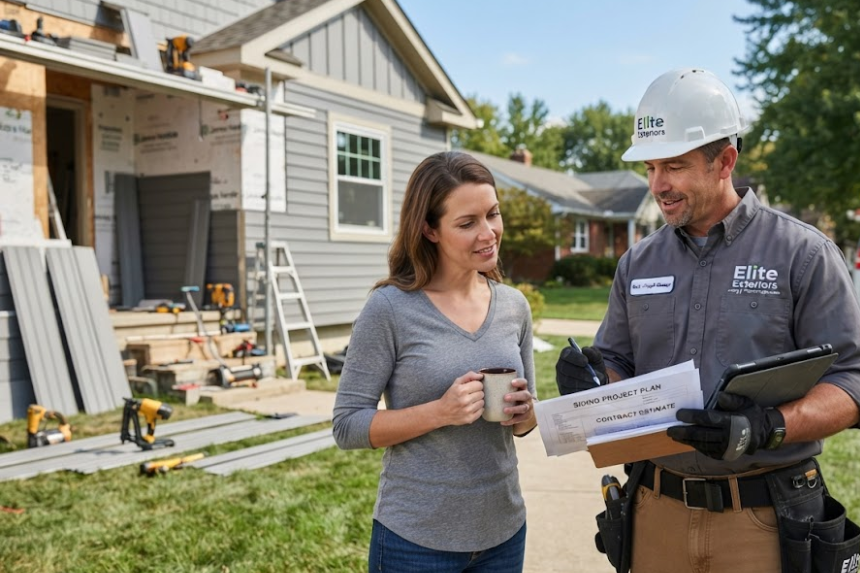
After a major storm, many repair workers may visit damaged neighborhoods looking for new customers. Some may offer quick repairs at very low prices. Be careful with workers who pressure you to sign a contract or pay immediately, especially if they cannot provide clear business information.
Before hiring anyone, check their license, insurance, and local business information. Ask for a written contract that explains the work, materials, price, and payment schedule.
Never pay the full cost before the work starts. A safer agreement usually divides payments into stages as work is completed. Take time to read the contract carefully and avoid contractors who refuse to explain their terms clearly.
Hiring A Local Professional Roof Inspector
A professional roof inspection can find damage that may not be easy to see from the ground. An inspector can safely check the roof, shingles, flashing, and other areas for signs of damage.
Roof professionals can check the decking, valleys, chimney areas, and seals around roof openings. These areas may have hidden damage after a storm. Finding these problems early can help prevent water from entering the home and causing damage to walls, ceilings, or insulation.
Ask the inspector for a written report that clearly explains the damage they found. Photos can help show the condition of the roof. This report may be useful when speaking with your insurance company about repair or replacement costs.
Navigating The Insurance Claim Process
After a storm, an insurance adjuster will usually inspect your home to check the damage. It can help to have a roofing contractor present during this visit. The contractor can explain roofing problems and point out damage that may not be easy to see.
A roofing professional can give useful details about damaged shingles, flashing, decking, and other parts of the roof. Having both people inspect the property at the same time can help reduce differences between their repair estimates. Take photos and keep records of all damage.
When you receive the adjuster’s report, read it carefully. Compare it with your contractor’s estimate and check that important repairs and materials are included. If something is missing, contact the insurance company and ask for the report to be reviewed.
Estimating Complete Repair And Replacement Costs
Roof repair and replacement costs can change based on the roof size, shape, slope, and materials used. Getting three written estimates can help you understand the usual cost in your area. Each estimate should clearly explain what work will be done and how much it will cost.
Check whether the estimates include all related costs. These may include removing the old roof, renting a dumpster, hauling materials, and disposing of old roofing. A clear estimate should list these costs instead of adding unexpected charges later during the project.
Make sure the estimates use similar materials so you can compare them fairly. Different types and grades of shingles can have different prices and levels of protection. A higher-quality material may cost more at first but can provide better protection and longer use.
Deciding Between Minor Repairs And Full Replacement
The choice between repairing and replacing a roof depends on how much damage it has suffered. If only a few shingles are missing or damaged, a small repair may be enough. A roofing professional can check the area and determine whether the damage is limited.
An older roof may need more attention. Some signs that replacement may be needed include roofing materials that are more than 20 years old, large areas of missing granules, repeated leaks, or sagging roof decking. These problems can show that the roof is no longer providing enough protection.
A full replacement can give the home a new layer of protection against future storms. It can improve the home’s appearance and may help protect its value. Before making a decision, compare the cost of repairs with the condition and age of the entire roof.
Choosing High-Quality Building Materials
Good roofing materials can help protect a home from strong winds, hail, and heavy rain. Some shingles are made to handle impacts better than standard asphalt shingles. Impact-resistant materials may be useful in areas that often experience severe storms and hail.
The layer under the shingles is important. A good synthetic underlayment can provide extra protection if water gets under the shingles. It can be stronger and less likely to tear during installation or strong winds. Ask your contractor which underlayment is suitable for your roof.
Good attic ventilation is another important part of a roofing system. Proper intake and exhaust vents allow air to move through the attic and help control moisture. This can help protect the roof structure and support the longer use of roofing materials.
Scheduling Long-Term Maintenance And Upkeep
Regular roof care can help prevent small problems from becoming expensive repairs. Clean gutters and downspouts at least twice a year so rainwater can move away from the roof. Leaves, dirt, and other debris can block water and cause it to collect around the roof.
Trees near the home should be checked regularly. Trim branches that hang over the roof because they can fall during strong winds and damage shingles. Removing dead branches can reduce the amount of leaves and other debris that collect in gutters and roof valleys.
A professional roof inspection once a year can help find loose flashing, damaged shingles, and gaps in seals. Fixing these problems early can help protect the roof and home.
Preparing Your Home For Future Storms
Preparing your home before a storm can help reduce damage. Move or secure outdoor furniture, grills, decorations, and other loose items before strong winds arrive. These objects can be blown around and damage windows, doors, walls, or the roof during severe weather.
Check the seals around windows and doors for cracks or gaps. Make sure garage doors close properly and that weatherstripping is in good condition. Storm shutters or impact-resistant windows can provide extra protection against strong winds and flying debris.
Your insurance coverage should be reviewed regularly as well. Home repair and rebuilding costs can change over time, so your policy may need updates. Check your coverage each year and make sure the limits are still suitable for the current cost of rebuilding your home.
Restoring your home after severe weather demands structured planning and quick action. From ground-level inspections to working alongside insurance adjusters, taking methodical steps protects your investment.
Working with qualified local professionals guarantees lasting repairs for your property. Staying proactive with maintenance keeps your home safe and resilient against future severe weather.
If you’d like to learn more, check out more articles on our blog.