
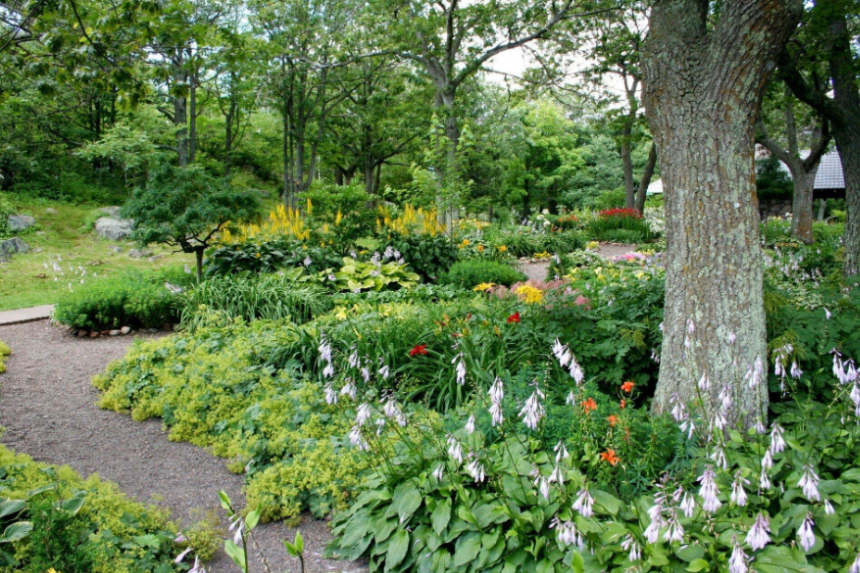
Property owners spend considerable effort maintaining lawns and gardens. Large mature timber stands quietly in outdoor spaces, providing shade and visual appeal throughout every season. Regular inspection helps spot subtle structural changes before major hazards develop near buildings.
Early recognition of declining health saves mature trees from structural failure. Property managers who monitor seasonal changes can address problems before severe weather causes unexpected collapse. Spotting warning signs early keeps yard spaces safe and attractive year-round.
Recognizing Abnormal Leaf Discoloration
Leaves offer an early indicator of internal distress in mature growth. A shift from healthy deep greens to dull yellow or pale brown signals root stress or soil chemical imbalance. Industry research from a leading arboriculture publication notes that unhealthy leaf appearance, marked by abnormal colors, shapes, or sizes deviating from natural foliage, represents a clear indicator of distress.
Discolored foliage often appears in patches across specific sections of the canopy. Branch sections with yellowing leaves can suffer from localized pest feeding or vascular fungal blockage. Direct action stops localized stress from spreading across the crown structure.
Chlorosis causes leaf tissue between veins to turn yellow while main veins remain dark green. High soil alkalinity prevents root systems from absorbing necessary iron or manganese nutrients.
Observing Premature Leaf Drop
Deciduous trees shed their foliage naturally during late autumn months. Mid-summer leaf drop indicates environmental stress, prolonged drought, or root damage underneath the lawn. Early defoliation weakens structural energy reserves needed for surviving winter periods.
Homeowners often observe physical changes in their yard during seasonal transitions. Investing in professional tree care in Milton helps preserve property value and prevents unexpected branch failures near roofs. Regular yard checks make it easier to catch subtle signs of decay early.
Heavy leaf loss reduces a crown’s capacity to create energy through photosynthesis. Starved root systems gradually stop functioning, causing further dieback throughout upper branch structures.
Identifying Bark Cracks and Deep Fissures
Bark serves as protective armor against harsh weather, fungal pathogens, and burrowing insects. Deep vertical splits extending into interior wood fiber warn of structural weakness along the main trunk. Structural analysis from certified arborists confirms that cracks, splits, or visible trunk wounds indicate severe health issues requiring specialist evaluation.
Frost cracks happen when severe cold causes trunk wood to expand and contract rapidly. Open wounds invite wood-decaying organisms that hollow out internal load-bearing structures. Installing support cabling or braces can stabilize cracked trunks before severe storms strike.
Inspecting bark texture reveals hidden decay pockets beneath outer layers. Flaking or peeling bark away from main stems exposes raw sapwood to infection. Monitoring trunk wounds prevents sudden structural failures during heavy winds.
Detecting Soft or Spongy Trunk Wood
Sound trunk wood maintains a solid texture resistant to firm physical pressure. Soft, damp, or crumbling trunk areas point to active fungal decomposition within interior wood fibers. A report on tree health indicators highlights that soft, spongy, or discolored wood at the trunk base signals internal rot.
Decaying trunk bases compromise the anchor foundation supporting heavy upper limbs. Puncturing spongy spots with a blunt tool reveals deep decay pockets hidden underneath outer bark. Removing decaying wood tissue early prevents trunk collapse during severe weather.
Internal rot spreads quietly through heartwood without showing immediate canopy symptoms. Advanced internal decay leaves trunks hollow and structurally unstable near human activity areas. Regular physical inspections help property owners detect decay before total failure occurs.
Spotting Fungal Growth and Mushrooms
Mushrooms or fungal growth on a tree can be a sign of wood decay. Fungi can grow on the trunk, bark, or roots when wood inside the tree is breaking down. Visible growth may mean the tree has already suffered damage.
Different types of fungal growth can point to different problems:
- Mushrooms near the trunk
- Shelf fungi on bark
- Mushrooms around surface roots
- Fungal growth near wounds
Fungi can enter trees through cuts, broken branches, or storm damage. Once inside, they can slowly damage the wood. Removing mushrooms from the outside does not remove the fungus inside the tree. A tree care professional should check the tree for signs of more serious damage.
Checking for Bare or Dying Canopy Branches
A healthy tree usually has plenty of leaves across its main branches. Bare branches during the growing season can show that the tree is under stress. Problems with roots, soil, or the flow of water inside the tree can cause leaves and branches to die.
Dead branches can start at the tips and slowly move toward larger branches. These branches can become dangerous, especially during strong winds or storms. Removing dead wood can make the tree safer and allow more light to reach healthy branches.
Poor soil can cause thin growth. Hard, packed soil makes it harder for roots to get water and air. Loosening the soil around the tree can improve root health and may help new leaves and branches grow.
Inspecting Root Zones for Soil Heaving
Healthy roots help keep a tree firmly in the ground during strong winds. Cracks, raised soil, or areas of ground that look pushed up near the trunk can show that roots are moving. A sudden change in the ground around a tree should be checked by a tree care professional.
Roots can be damaged by lawn equipment, digging, or building work. Cutting large roots can make a tree less stable and increase the risk of falling during storms. Keeping heavy equipment away from tree roots can help prevent this type of damage.
Too much soil around the base of a tree can cause problems. The root flare should remain visible and should not be covered.
Monitoring Unexplained Insect Infestations
Insects often attack trees that are already weak or under stress. Large amounts of sap, damaged leaves, holes, or leaves that turn yellow too early can be signs of insect activity. Finding the signs early can help prevent the problem from becoming worse.
Some insects make tunnels inside the tree and damage the parts that move water and nutrients. Certain beetles can cause serious damage before the tree shows clear signs on the outside.
Scale insects can leave a sticky substance on leaves and branches. The substance can help dark mold grow on the leaves and block sunlight. If insects are found, a tree care professional can identify the pest and suggest a safe treatment based on the type of tree and insect.
Evaluating Sudden Tree Leans and Instability
A tree may naturally grow at a slight angle over many years. However, a tree that suddenly starts leaning after strong wind or heavy rain may have a root problem. A new lean can mean that the roots are no longer holding the tree firmly in the ground.
Raised soil on one side of the trunk can be another warning sign. Wet soil can become weak and make it easier for strong winds to move a tree. Small trees may sometimes be supported, but large trees with a sudden lean should be checked by a professional.
The weight of branches can affect tree stability. Heavy growth on one side can place more pressure on the roots. Careful pruning may reduce the weight and help lower wind pressure.
Identifying Cavities and Hollow Trunks
Holes and hollow areas can form when fungi and decay enter old wounds in a tree. As the decay spreads, it can remove wood from inside the trunk. Large cavities may weaken the tree, especially when heavy branches grow above the damaged area.
Animals may use holes in trees as shelter. Water can collect inside open cavities and make the wood decay faster. Keeping animals out of certain cavities may help, but the best solution depends on the condition of the tree and the location of the opening.
The amount of healthy wood around a cavity is important when checking tree safety. Tree care professionals can use special tools to examine the wood inside the trunk.
Noticing Stunted Seasonal Growth
Healthy trees usually produce new leaves and shoots during the growing season. Very short new shoots or little growth from year to year can show that a tree is under stress. Problems with roots, soil, water, or nutrients can all affect new growth.
Comparing new growth on different parts of the tree can help show changes in its health. If branches produce very little new growth for several seasons, the tree may have an ongoing problem.
Dry weather and hard soil can slow tree growth. Adding mulch around the tree can help keep moisture in the soil and protect the roots from heat. Better soil and regular care can support healthier new growth during future growing seasons.
Assessing Pest Damage and Bored Holes
Small holes in tree bark can be a sign of insects living inside the wood. Beetles may leave round, oval, or D-shaped holes when they leave the tree. Many holes can mean that the tree has a serious pest problem.
Woodpecker activity can show hidden insects:
- Small rows of holes
- Uneven holes
- Loose or damaged bark
Some insects make tunnels under the bark and damage the tree’s living layers. This can stop water and nutrients from moving through the tree. Branches may die, and the whole tree can become weak.
Understanding Sawdust Deposits at the Base
Sawdust around the base of a tree can be a sign of insects living inside the wood. Carpenter ants and some beetles can leave small piles of wood dust as they make spaces inside the tree. Fresh, light-colored sawdust may mean that damage is still happening.
Check the tree after calm weather because wind can remove loose sawdust. Look around bark cracks, branch joints, and the base of the trunk.
Carpenter ants do not eat wood, but they can live in soft, damaged areas. Finding sawdust near the trunk may point to decay or moisture problems.
Examining Oozing Sap and Cankers
Cankers are damaged areas on tree bark that can be caused by fungi or bacteria. They may look sunken, dark, or discolored. The bark may crack and fall away. Some trees may have wet or dark liquid running down the trunk.
Sap can be part of the tree’s natural way of fighting damage. However, heavy oozing from several areas may point to a larger problem. Check branches and the trunk for wounds, cracks, or areas that look unhealthy.
Large cankers can spread around the trunk and damage the tree’s living tissue. Remove badly affected branches when advised by a tree care professional.
Inspecting Soil Compaction and Drainage Issues
Tree roots need both water and air to stay healthy. Heavy walking, building work, or parking cars near a tree can press the soil together.
Too much water can cause problems. Water that stays around the base of a tree can damage small roots that take in water and nutrients. Drains, channels, or other simple changes can help move extra water away from the tree.
Loosening compacted soil can improve air and water movement. Methods such as soil aeration can help without harming large roots. Adding compost may improve the soil.
Planning Preventative Yard Care Routines
Regular tree care can help prevent problems with insects, disease, and storm damage. A layer of wood mulch can help keep moisture in the soil and reduce weeds. Keep mulch a few inches away from the trunk to prevent moisture from building up against the bark.
Pruning can remove weak, damaged, or crossing branches before they become a problem. Young trees can benefit from careful pruning because it helps them develop stronger branches. Clean cuts can reduce the chance of disease entering damaged areas.
Check trees often for signs of insects, disease, or damaged branches. A trained tree care professional can find problems that may be hard to see. Regular care can help keep trees healthy and protect nearby homes, yards, and outdoor areas.
Maintaining strong, safe mature growth requires attentive monitoring throughout changing seasons. Watching for subtle bark cracks, leaf discoloration, soft trunk wood, and insect activity allows timely interventions.
Early detection remains the most effective defense against structural failure and costly removal projects. Property owners who establish consistent evaluation routines catch warning signs before severe damage occurs. If you’d like to learn more, check out more articles on our blog.