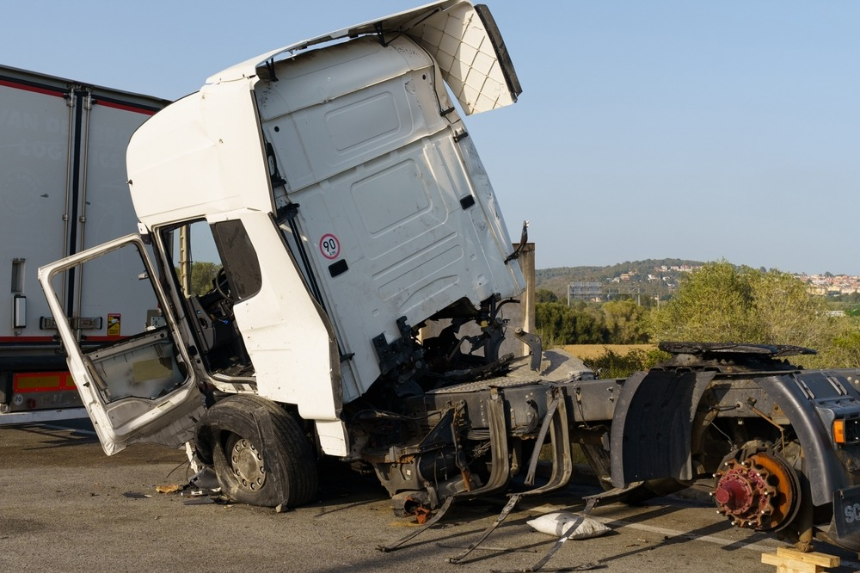
A truck accident scene rarely tells the complete story by itself. The marks on the road, damaged vehicles, and first reports only show one part of a larger picture. Small details often become the starting point for finding answers because they can reveal what happened before the collision.
In Boston, MA, a careful review of schedules, records, and vehicle information helps uncover facts that may not appear at first glance. These six details explain why facts can lead to bigger questions.
Why Simple Facts Matter During a Truck Accident Investigation
Truck accident investigations are built by connecting different pieces of information. A single detail may seem ordinary, but it can become important after it is compared with other evidence. Commercial trucks operate through schedules, safety rules, maintenance systems, and company procedures, which means investigators often review more than the crash scene.
A truck accident lawyer in Boston, MA, may review how different details connect because understanding the full timeline requires looking at many sources of information.
1. The Hours Before a Crash Can Provide Clues About a Truck’s Timeline
A delivery schedule can reveal important information about a truck’s activities before a crash. Investigators may look at planned routes, delivery records, and driving hours to understand where the truck was traveling and what occurred before the accident.
A delay, unexpected stop, or route change does not automatically explain a crash, but it may create questions that require more review. Timing helps investigators build a clearer picture of the events leading up to the collision.
2. The Truck’s Condition Before Impact Can Reveal More Than Visible Damage
The damage after a crash shows the force of the collision, but it does not always explain the truck’s condition before impact. Investigators may examine inspection reports, maintenance records, and repair history to understand whether the vehicle was properly maintained.
A truck’s history can provide details about problems that may not be visible from photographs alone. Reviewing these records helps separate facts about the vehicle from guesses based only on the crash scene.
3. A Difference Between Statements and Evidence Can Create New Questions
Initial explanations after a truck accident may not include every detail. Investigators compare statements with physical evidence, photographs, electronic records, and witness information to understand what matches and what needs further review.
Small differences do not always mean someone is wrong. They may simply show that more information is needed to create an accurate timeline of events.
4. The Minutes Before the Collision Can Explain Road Events
The moments before a crash can contain important details about what happened on the roadway. Investigators may review braking patterns, vehicle movement, traffic conditions, and available electronic information to understand the sequence before impact.
Looking at the events before the collision helps create a clearer explanation instead of focusing only on the final point of contact between vehicles.
5. A Missing Timeline Detail Can Lead to Further Investigation
A complete timeline depends on accurate information from different sources. Missing records, unclear time periods, or gaps in available information can create questions about what happened before, during, or after a crash.
Investigators may use sources such as cameras, GPS information, company records, and other available evidence to fill in missing parts of the timeline.
6. Multiple People and Companies Can Expand the Investigation
Truck accidents often involve more than one person or organization. A driver, trucking company, maintenance provider, or cargo handler may have information connected to the accident.
Investigators review each source carefully because different parties may hold different pieces of information. Looking at the entire system surrounding a commercial truck can provide a better understanding of the events involved.
Why Investigators Look Beyond the Obvious Details
The first explanation of a truck accident may only include the most visible facts. A deeper investigation looks at the details behind those facts and examines how each piece connects with the next.
In Boston, MA, truck accident investigations often require attention to many records because commercial vehicles are part of a larger transportation system. Small details can help create a more complete picture of what occurred.
Conclusion
Simple facts can become meaningful parts of a truck accident investigation. A schedule, vehicle record, statement, timeline gap, or company connection may raise questions that help explain the events surrounding a crash. Careful review of these details allows investigators to focus on evidence instead of early assumptions.
Anyone seeking information about a truck accident lawyer in Boston, MA, should understand that investigations depend on examining the full picture. The smallest details can sometimes provide the direction needed to understand a complex truck accident case.