
Why Orlando Families Need a Practical Vehicle Plan
For many households, a family vehicle is the command center for a busy week in Orlando. It may handle a morning school drop-off near Lake Nona, a grocery run after work, an afternoon sports practice, and a weekend drive toward the attractions. When comparing options in an Orlando Chrysler Dodge Jeep Ram inventory, focus first on the practical questions: Who rides along most often, what needs to fit, and where the vehicle will be driven and parked?
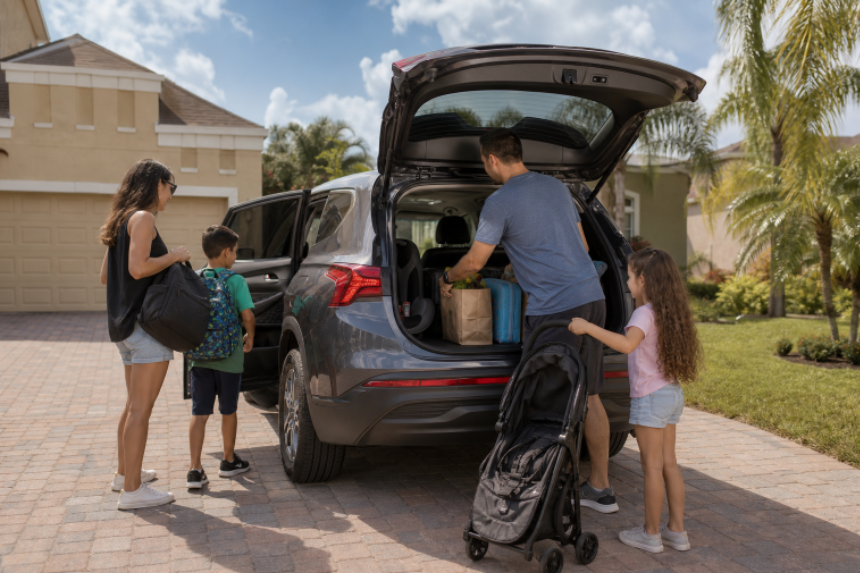
Central Florida conditions make those questions more important. Humidity can make a short wait in a pickup line feel uncomfortable, afternoon storms can reduce visibility quickly, and a full day at a local park often means carrying backpacks, snacks, water, sunscreen, spare clothes, and a stroller. The best choice is usually the vehicle that removes friction from these ordinary moments.
Before researching trims or colors, track your family’s trips for one typical week. Note the number and ages of children, car seats or boosters in use, weekly mileage, parking limitations at home and work, the need for a third row, and the amount of cargo that travels daily. A family with two car seats, a folding stroller, sports bags, and groceries has different needs from a household that mainly drives two school-age children across town.
This exercise also keeps the decision grounded in Orlando reality. A vehicle that seems roomy in a quiet showroom may feel much different when it is loaded under a carport during a summer downpour or squeezed into a crowded parking garage near downtown.
Families searching for a CDJR near me can make their visit more productive by bringing a written list of daily needs. It is easier to compare vehicles when every option is judged against the same criteria, rather than relying on a quick first impression.
Compare Vehicle Sizes by Use, Not Hype
Compact SUVs can be a strong fit for smaller families that value easier parking, manageable fuel use, and enough room for one or two children. They work especially well when cargo demand is modest, and most trips stay within the Orlando area.
A midsize SUV may make more sense when children are growing, a larger stroller is still in use, or road trips and airport runs happen regularly. Three-row vehicles are worth considering for families who often bring grandparents, friends, teammates, or visitors. Still, more seats do not automatically mean more usable space. Measure the garage, carport, and the parking spaces you use most often before choosing a larger model.
Check Car-Seat Fit Before Buying
Seat count alone does not confirm that several child restraints will fit safely and comfortably. Bring your actual car seats and boosters to the test drive, then install them according to their instructions and the vehicle manual. Check the spacing between seats, access to lower anchors and top tethers, visibility of seat-belt buckles, front-seat legroom with a rear-facing seat installed, and the path to the third row if your family needs one.
Florida families should also review the state’s child passenger safety guidance before deciding whether a seating arrangement works for their children. A configuration that feels convenient is not enough if it makes proper restraint use difficult on rushed mornings.
Look for Features That Make Family Trips Easier
Useful family features are often simple rather than flashy. Wide-opening rear doors make it easier to secure a child in a tight school pickup line. Easy-clean upholstery helps after sandy playground stops and spilled snacks. Rear air vents, charging ports, covered storage, large door pockets, built-in sunshades, flexible second-row seating, and a hands-free liftgate can all save time when hands are full.
Try each feature during the test drive rather than assuming it will be helpful. Open the liftgate with bags in hand, reach the third row, adjust rear climate controls, and see whether children can enter, exit, and buckle independently when appropriate.
Plan for Orlando Heat and Stormy Weather
Strong climate control matters in Orlando, particularly for rear-seat passengers. During a test drive, pay attention to how quickly the back seats cool, whether rear vents are easy to adjust, and whether sun exposure through the glass makes certain seats noticeably warmer. Rear-seat reminder alerts and simple locking controls can provide an added layer of daily support.
Those tools never replace a consistent routine. Florida’s hot-car safety information emphasizes checking the back seat every time you park and never leaving a child unattended in a vehicle. During storm season, inspect the wiper blades’ condition, outward visibility, tire condition, defogging controls, and the vehicle’s handling on wet roads.
Make Room for Theme Park Days and Road Trips
A normal grocery run is not the same as a full day near the attractions. Load a stroller, a cooler, backpacks, a change-of-clothes bag, snacks, water, and small travel items during the test drive. Check cargo capacity behind the second row and, if applicable, behind the third row. A three-row SUV may carry more people, but it leaves limited room for luggage when every seat is occupied.
Also, confirm that cargo does not block the rear window or prevent easy access to emergency supplies. A lower floor, adjustable cargo area, or underfloor storage can be more valuable than a large advertised cargo number.
Review Safety Technology and Full Ownership Costs
Look for driver-assistance features that make busy roads and parking lots easier to manage, including automatic emergency braking, blind-spot monitoring, rear cross-traffic alerts, lane-departure warnings, adaptive cruise control, surround-view cameras, and rear parking sensors. Make sure the alerts are clear and helpful, not distracting. These systems support attentive driving, but they do not replace seat belts, child restraints, mirrors, or active supervision.
Finally, move beyond the monthly payment. Estimate fuel or charging costs, insurance, routine service, tire replacement, registration, taxes, parking, and tolls. Leave room in the budget for repairs, changing child-care arrangements, and future family needs.
A Family Test-Drive Checklist
- Install every car seat and booster your household currently uses.
- Load the stroller, bags, and other everyday cargo.
- Test doors, liftgate, storage compartments, rear climate controls, and third-row access.
- Drive through tight parking areas and roads similar to your regular Orlando routes.
- Take notes on visibility, comfort, cabin noise, parking confidence, and ease of use.
Match the Vehicle to Real Orlando Family Life
The right family vehicle is not necessarily the biggest or most feature-packed option. It is the one that safely handles school mornings, Florida heat, sudden rain, passenger changes, cargo demands, and weekend plans with the least stress. Compare two or three practical choices, test them honestly with your family’s real equipment, and choose the option that leaves room in both the cabin and the budget for the life you want to enjoy in Orlando.