
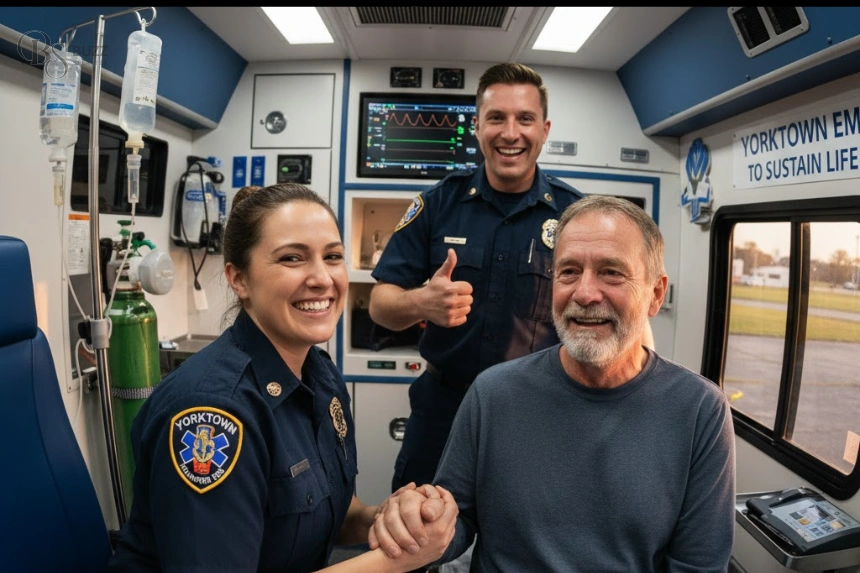
In emergencies, every second counts. For the residents of Yorktown Heights, New York, the Yorktown Volunteer Ambulance Corps (YVAC) serves as a lifeline, delivering rapid, professional, and compassionate emergency medical care. As an all-volunteer, nonprofit organization, YVAC exemplifies the power of community-driven service, combining expertise, dedication, and local knowledge to sustain life when it matters most.
A Legacy of Service: The History of YVAC
Founded in 1963, YVAC has evolved from a small volunteer group into a highly respected EMS provider in Westchester County. It was among the first volunteer ambulance corps in the region to offer 24/7 EMT-Intermediate staffing, setting a standard for pre-hospital care. Over six decades, the organization has earned recognition for its commitment to public safety and continues to serve as a trusted pillar of the community.
Mission, Vision, and Core Values of YVAC
The Mission of Yorktown Volunteer EMS to provide timely, professional, volunteer-based emergency medical services to Yorktown and surrounding communities, ensuring that lives are saved and stabilized in critical moments.
A resilient, prepared community supported by dedicated volunteers capable of responding to emergencies with skill, compassion, and efficiency.
Core Values
Volunteerism: Service over self, with community welfare as the priority.
Professional Excellence: Continuous training ensures volunteers deliver the highest standard of emergency care.
Community Engagement: Beyond emergencies, YVAC empowers residents through education and preparedness initiatives.
Commitment to Readiness: Operating around the clock with modern equipment and protocols ensures that every call receives timely attention.
Core Services: What Yorktown Volunteer EMS Provides
YVAC provides an array of services that extend well beyond emergency transport:
911 Emergency Response: Crews respond to medical and trauma emergencies 24/7, prioritizing time-sensitive conditions such as cardiac arrest, stroke, difficulty breathing, severe bleeding, and trauma.
Patient Assessment and Stabilization: EMTs and paramedics perform primary and secondary assessments, manage airways, administer oxygen, control bleeding, immobilize suspected fractures, and monitor vital signs.
Advanced Life Support (ALS) and Basic Life Support (BLS): Depending on crew configuration and call type, providers can deliver BLS care (e.g., CPR, AED use, oxygen) and, when available, ALS care (e.g., IV access, cardiac monitoring, medication administration) under medical control.
Transport and Hospital Handoff: Safe, efficient transport to the most appropriate facility, with thorough handoff to emergency department staff and continuous patient monitoring en route.
Community Standbys and Special Events: Coverage for parades, sports tournaments, fairs, and school events ensures rapid access to first aid and emergency care.
Community Education: CPR/AED training, Stop the Bleed classes, and public safety talks empower residents to act before EMS arrives. closing critical gaps in the chain of survival.
Disaster Readiness: Coordination with town emergency management for storms, heat waves, and large-scale incidents; participation in drills; and deployment of mass-casualty kits and incident command systems.
Who Answers the Call: Roles on a Volunteer EMS Crew
Emergency Medical Technicians (EMTs): The backbone of the service. EMTs assess patients, provide BLS care, and assist with ALS procedures.
Paramedics: When part of the system, paramedics deliver ALS interventions like advanced airway management, cardiac monitoring, and life-saving medications.
Drivers/Operators: Specially trained volunteers who safely navigate ambulances, operate lights/sirens, and assist with scene safety and lifting.
Duty Officers and Crew Chiefs: Experienced providers who supervise calls, coordinate resources, and ensure adherence to protocols.
Cadets/Youth Members: High school or college-aged members who learn EMS fundamentals under supervision, building the next generation of providers.
Support and Administrative Volunteers: Logistics, fundraising, scheduling, grant writing, public outreach, and equipment maintenance keep the service running.
Training, Certification, and Volunteerism
Every YVAC volunteer undergoes rigorous training, including Basic Life Support (BLS), Advanced Cardiac Life Support (ACLS), and Emergency Medical Technician (EMT) certifications. Continuous education ensures readiness for diverse medical scenarios, including trauma, cardiac emergencies, pediatric care, and geriatric interventions.
Volunteers come from all walks of life, professionals, retirees, and students alike, sharing a commitment to service. This spirit of volunteerism is central to YVAC’s ability to sustain life and maintain operational excellence.
Impact on the Yorktown Community
YVAC’s contributions extend far beyond emergency care:
Life-Saving Interventions: Rapid, skilled responses reduce mortality and improve patient outcomes.
Community Confidence: Residents know trained professionals are available 24/7, enhancing a sense of safety.
Health Awareness: Training programs foster community resilience, preparing bystanders to act in emergencies.
Volunteer Development: Participation enriches volunteers’ personal growth, career paths, and civic engagement.
Numerous real-life examples underscore YVAC’s impact—from rescuing individuals in cardiac arrest to providing critical care during accidents. These stories reflect the corps’ mission in action: sustaining life with professionalism and compassion.
Partnerships and Collaborative Efforts
YVAC collaborates with local hospitals, fire departments, law enforcement, and other emergency agencies. These partnerships ensure seamless patient care from incident to hospital and enhance response efficiency during larger emergencies. Joint training exercises also strengthen coordination, communication, and overall community preparedness.
Challenges and Future Outlook
Despite its success, YVAC faces ongoing challenges:
Recruitment and Retention: Sustaining a dedicated volunteer base requires continuous engagement and outreach.
Funding: Community donations and grants are essential to maintain operations and modernize equipment.
Training and Technological Advancements: Keeping volunteers and resources up-to-date with evolving medical standards is vital.
Future initiatives include expanding youth engagement programs, increasing public training efforts, adopting advanced technologies, and enhancing community partnerships to ensure sustainable, high-quality service.
How You Can Support Yorktown Volunteer EMS
Community support is crucial to the corps’ mission. Ways to contribute include:
Volunteer: Join as an EMT or support staff; comprehensive training is provided.
Donate: Financial contributions or equipment donations help maintain operations.
Participate in Training: Learn CPR and first aid to save lives in everyday situations.
Spread Awareness: Promote YVAC services, events, and fundraising initiatives to strengthen community engagement.
Every effort, big or small, ensures that YVAC can continue its vital work of saving lives.
Conclusion
The Yorktown Volunteer Ambulance Corps exemplifies the power of community-driven emergency medical services. Through expert training, dedicated volunteers, and unwavering commitment, YVAC sustains life across Yorktown and surrounding areas. Their service is a testament to how volunteerism, professionalism, and local engagement can converge to create a safer, healthier community.
Supporting YVAC, whether through volunteering, donations, or participation in training, ensures that when emergencies strike, residents can count on skilled responders ready to act, uphold, and sustain life.
FAQs: Yorktown Volunteer EMS to Sustain Life
It’s an all-volunteer, nonprofit EMS organization, founded in 1963 in Yorktown Heights, providing rapid, professional emergency medical care.
All volunteers are trained in BLS, ACLS, and EMT protocols, with ongoing education in trauma, cardiac, pediatric, and geriatric care.
YVAC works with hospitals, fire departments, and law enforcement for coordinated, efficient emergency responses.
By volunteering, donating, attending training, or spreading awareness, residents help sustain lifesaving operations.
It saves lives, strengthens preparedness, and provides professional emergency care, all powered by dedicated volunteers.