Introduction
Technology problems rarely happen at convenient times. A slow network, an inaccessible application, or a server issue can quickly disrupt an entire workday and leave employees unable to perform even the most basic tasks. As businesses become increasingly dependent on digital tools, maintaining consistent system performance has become just as important as maintaining the physical workplace itself.
Unfortunately, many organizations still rely on outdated approaches that address problems only after they occur. While this may seem cost-effective on the surface, repeated disruptions lead to lost productivity, frustrated employees, and unnecessary expenses. Even minor interruptions can have a significant impact when they occur frequently.
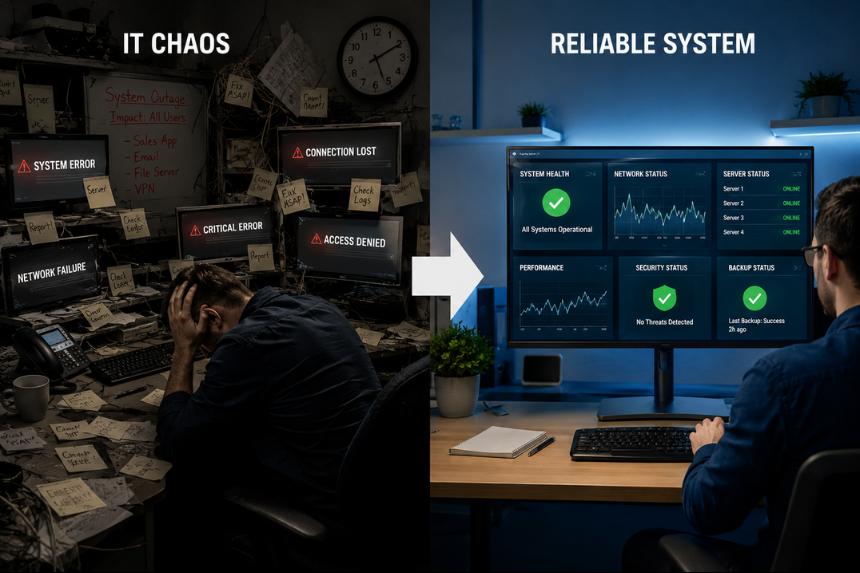
Building a more reliable environment requires a shift from reactive troubleshooting to a structured strategy that prioritizes stability, security, and long-term operational continuity. When systems are managed proactively, technology becomes an asset that supports growth instead of a source of constant uncertainty.
Building Stability Instead of Reacting to Problems
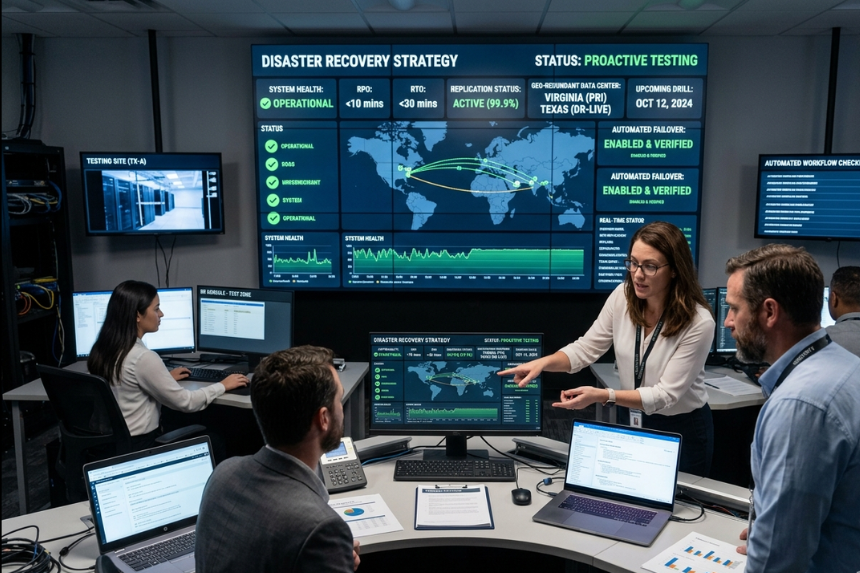
Maintaining consistent system availability requires more than simply fixing issues as they appear. Organizations that prioritize proactive management create stronger foundations for productivity, security, and business continuity.
Rather than waiting for systems to fail, successful businesses focus on preventing disruptions, identifying weaknesses early, and creating processes that support reliable day-to-day operations.
The Hidden Costs of Reactive IT Management
Traditional break-fix approaches are designed around one assumption: something breaks, and then someone fixes it. Although this method has been common for years, it often creates more problems than it solves.
Downtime Affects More Than Revenue
Large outages are easy to recognize because everyone feels their impact immediately. However, smaller disruptions often cause greater damage over time. Slow software, unstable VPN connections, and recurring login issues interrupt workflows and reduce employee efficiency.
These interruptions are particularly challenging for organizations operating under strict deadlines or regulatory requirements. When employees spend valuable time dealing with technical problems, productivity suffers and confidence in the technology environment begins to decline.
Businesses seeking greater reliability often turn to a IT service partner that focuses on preventing issues rather than constantly responding to emergencies. A proactive approach helps organizations reduce uncertainty and maintain more consistent operations.
Why Break-Fix Strategies Create Security Risks
Reactive IT models focus on restoring services quickly, but they often overlook the root cause of failures. As a result, underlying vulnerabilities remain unresolved and can create larger problems down the road.
Cybercriminals frequently exploit known weaknesses that organizations fail to address. Missed software updates, aging hardware, and inconsistent monitoring leave systems exposed to unnecessary risks.
Research from IBM shows that the average cost of a data breach reaches into the millions, and many incidents stem from vulnerabilities that could have been prevented through proactive maintenance.
Modern businesses require more than emergency repairs. They need ongoing visibility into their infrastructure and the ability to address risks before they become major incidents.
Understanding the Difference Between Uptime and Continuity
Many organizations focus heavily on uptime percentages. While keeping systems online is important, uptime alone does not guarantee productivity.
A server may technically be running, but if employees cannot access critical applications or data, business operations still come to a halt. True continuity means ensuring that systems, networks, and applications work together in a way that supports daily activities without interruption.
Structured system availability takes a broader view. It emphasizes the entire user experience rather than simply measuring whether equipment is powered on.
The goal is not just keeping systems operational, but making sure employees can perform their work efficiently and securely.
Key Elements of Structured System Availability
Reliable environments are built through a combination of proactive monitoring, root-cause analysis, and alignment with broader business objectives.
Solving Problems at Their Source
Temporary fixes may restore services, but they rarely prevent recurring issues. Restarting a server or resetting passwords addresses symptoms without identifying the underlying cause.
Proactive analysis focuses on understanding why disruptions occur. Engineers review patterns, investigate recurring problems, and implement solutions that eliminate issues permanently.
Below is a comparison between reactive support and a more strategic approach:
| Common Issue | Temporary Fix | Long-Term Solution |
| Storage capacity problems | Free up space manually when systems slow down | Deploy automated monitoring and scalable storage resources |
| Frequent account lockouts | Reset passwords repeatedly | Strengthen authentication and review security logs |
| Network interruptions | Reboot devices to restore connectivity | Analyze traffic patterns and replace failing hardware |
| Performance slowdowns | Restart affected applications | Identify bottlenecks and optimize infrastructure |
| Backup failures | Re-run missed backups manually | Implement automated verification and monitoring |
Addressing root causes reduces recurring disruptions and allows employees to spend more time focusing on their responsibilities instead of dealing with technical issues.
Connecting Availability with Security and Compliance
Reliable systems are closely tied to security and regulatory requirements. Organizations operating in highly regulated industries need stable environments to maintain compliance and protect sensitive information.
Structured processes make audits easier and reduce the stress associated with meeting industry standards. Backup systems, access controls, and monitoring tools all function more effectively when built on a stable foundation.
Security and business continuity are closely connected. Strong availability strategies help organizations recover from unexpected events while also strengthening defenses against cyber threats.
By integrating these efforts, businesses create environments that are both resilient and secure.
Creating a Culture of Operational Confidence
Technology should support employees, not create additional obstacles. When systems are stable and dependable, teams can focus on serving customers, completing projects, and meeting organizational goals.
Consistent availability also improves confidence across departments. Employees spend less time waiting for support and more time contributing to meaningful work.
Leaders benefit as well. Instead of constantly responding to emergencies, they can focus on planning, growth, and strategic initiatives.
Organizations that prioritize proactive IT management often experience stronger productivity, improved security, and greater operational stability over time.
Conclusion
Reactive IT strategies may solve immediate problems, but they rarely provide long-term stability. Frequent interruptions, unresolved vulnerabilities, and recurring support issues create unnecessary costs and make it difficult for employees to perform at their best.
Structured system availability offers a better path forward. By focusing on prevention, root-cause analysis, and alignment with security and compliance requirements, organizations can reduce downtime and improve operational reliability.
Reliable technology empowers people to work more effectively and gives leaders greater confidence in their systems. Instead of constantly dealing with emergencies, businesses can focus their energy on growth, innovation, and achieving their long-term goals.