
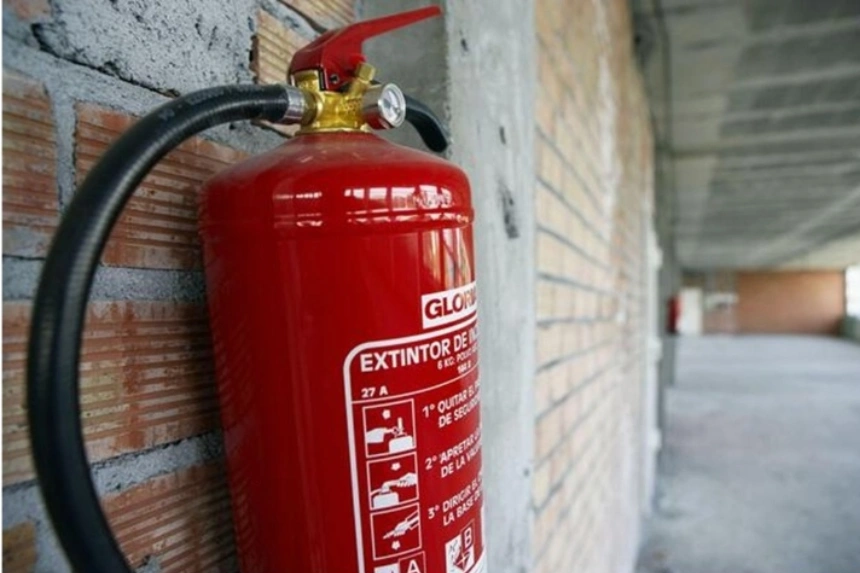
Fire risks on a construction site rarely come from a single mistake. They usually build up from everyday work, welding sparks, temporary wiring, fuel storage, and scattered debris. These elements may seem harmless on their own, but together they create the perfect conditions for a fire to start and spread quickly.
Materials like wood, insulation, and chemicals add fuel to the situation. When combined with tight deadlines and constant activity, even a small oversight can turn into a serious incident. Understanding these risks is the first step toward keeping your site safe.
Why Should You Plan for a Fire Before It Happens?
Instead of starting with prevention, it’s smarter to think about what happens if a fire breaks out. A clear emergency plan ensures that everyone on-site knows how to react without confusion.
Workers should be familiar with exit routes, alarm systems, and safe assembly points. When people understand their roles during an emergency, response becomes faster and more controlled. This approach not only protects lives but also limits damage to equipment and structures.
Are Your Fire Extinguishers Really Ready to Use?
Having fire extinguishers on-site is essential, but their effectiveness depends on proper maintenance and placement. Equipment that hasn’t been inspected or is hard to access won’t help in a real emergency.
Working with a trusted fire extinguisher service in St. Petersburg, FL, keeps your extinguishers in working condition and aligned with safety standards. On larger projects, using Bulk fire extinguisher options can help ensure coverage across multiple zones without delays.
When extinguishers are easy to find and workers know how to use them, small fires can often be controlled before they escalate.
How Can Hot Work Be Managed Safely?
Hot work activities such as welding and cutting are common, but they also bring significant fire risk. Sparks can travel farther than expected and ignite materials that may not seem immediately dangerous.
Careful planning reduces this risk. Keeping the surrounding area clear, monitoring the space even after work is finished, and staying alert to hidden sparks can prevent fires from starting later. Fire safety during hot work isn’t just about the moment, it’s about what happens afterward too.
What Role Does Electrical Safety Play?
Temporary electrical setups are often necessary, but they can easily become hazards if not handled correctly. Faulty wiring, overloaded circuits, or damaged cables can all lead to overheating and fire.
Regular checks and proper installation help avoid these issues. Using certified equipment and avoiding quick fixes ensures that power systems remain stable throughout the project. Strong attention to electrical safety on construction site is a key part of preventing unexpected incidents.
Are Flammable Materials Being Stored Properly?
Construction projects rely on materials like fuels, paints, and adhesives, all of which can ignite under the right conditions. Storing them carelessly increases the chances of a fire starting and spreading.
Keeping these materials in well-ventilated, designated areas makes a noticeable difference. Distance from heat sources and proper labeling also help workers handle them safely. Good flammable material storage safety practices reduce confusion and lower overall risk.
Does Site Cleanliness Really Matter?
A clean site is often a safer site. Leftover materials, dust, and waste can act as fuel if a fire starts. When these elements build up, they make it easier for flames to spread quickly.
Maintaining order doesn’t require complex systems. Simple, consistent cleaning routines can keep hazards under control. Strong construction site safety practices always include attention to housekeeping because it directly impacts fire prevention.
How Important Is Training for Fire Safety?
Equipment alone cannot prevent fires. The people using it play the most important role. Without proper knowledge, even the best tools can become ineffective.
Regular training helps workers recognize risks and respond correctly in emergencies. Over time, this builds confidence and reduces panic. Effective fire safety training for construction workers ensures that everyone on-site becomes part of the safety system, not just observers.
Why Ongoing Monitoring Makes a Difference
Conditions on a construction site change constantly. New materials arrive, tasks shift, and risks evolve. That’s why fire prevention requires continuous attention rather than a one-time effort.
Routine inspections help identify issues early, whether it’s equipment that needs servicing or areas that require better organization. A well-structured construction fire prevention plan keeps safety efforts consistent and reliable from start to finish.
Final Thoughts
Keeping a construction site safe from fire is not about one big solution. It’s about small, consistent actions that work together over time. From planning for emergencies to maintaining equipment and staying organized, each step strengthens your overall safety approach.
When awareness becomes part of daily work, fire risks are easier to manage. And in an environment as active as a construction site, that steady attention to safety is what truly makes the difference.