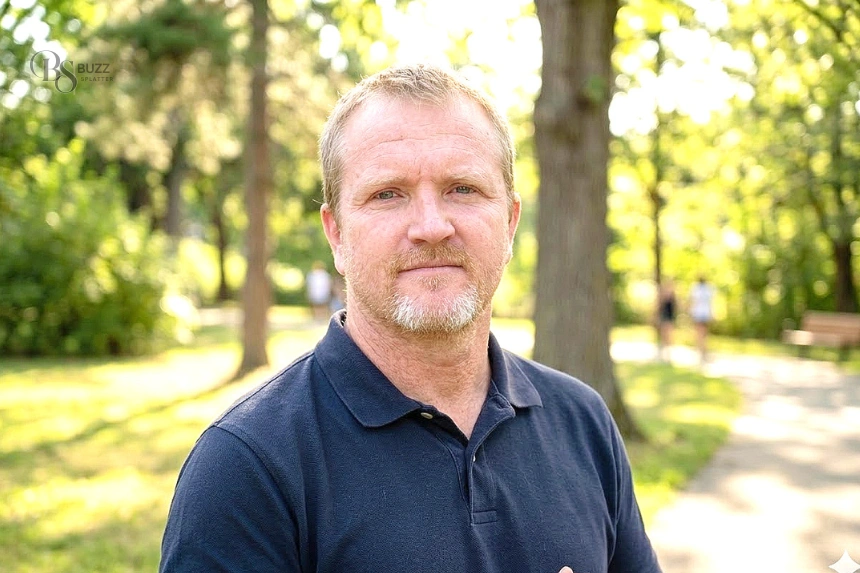
John Jessup’s fall from local leadership to criminal conviction highlights the fragile line between public trust and personal accountability.€
John Jessup, a former Hancock County official from rural Indiana, built a career in local governance through roles on the county council and as commissioner. Known for his practical leadership, his trajectory ended abruptly after a 2024 felony conviction tied to a criminal case involving his daughter. Jessup’s story serves as a stark reminder of the vital importance of integrity and accountability in public service.
Facts about John Jessup
| Facts | Details |
| Full Name | John Jessup |
| Known For | Former local politician in Hancock County; later involved in a high-profile criminal case |
| Political Affiliation | Republican Party |
| Key Positions | Hancock County Council member; Hancock County Commissioner |
| Commissioner Term Start | January 2017 |
| Political Experience | Approximately 6 years on county council; 4 years as commissioner |
| 2024 Election Result | Elected to at-large Hancock County Council seat |
| Votes Received (2024) | Around 15,000 votes |
| Legal Case Location | Las Vegas |
| Charges (2024) | Felony illegal assault (later reduced via plea) |
| Guilty Plea | November 13, 2024 (attempted illegal assault) |
| Sentencing Date | April 2025 |
| Prison Sentence | 6 to 15 years |
| Legal Status | Convicted felon; incarcerated |
| Reason for Resignation | Indiana law prohibits convicted felons from holding public office |
| Victim | Rachel Keesling (also reported as Rachel Jessup) |
| Early Background | Raised near Knightstown |
| Previous Profession | Construction project superintendent |
| Employer | Gilliatte General Contractors |
| Work Location | Indianapolis |
| Residence | Shirley, Indiana (Hancock County) |
| Notable Controversy | Elected while under indictment, raising issues of voter awareness and candidate vetting |
Early Life and Background
John Jessup’s roots trace back to central Indiana, where he was raised in a region closely tied to Knightstown, a small town in nearby Henry County. Reports suggest he attended Knightstown High School, indicating his upbringing in a rural Midwestern environment.
Before entering politics, Jessup worked in the construction industry. He held a position as a project superintendent with Gilliatte General Contractors, based in Indianapolis. This professional background distinguished him from many traditional political figures and provided him with practical, hands-on experience in project management and infrastructure—skills that would later inform his public service roles.
Entry into Local Politics
Jessup’s political journey began at the county level, where he became actively involved in governance during the 2010s. He first served on the Hancock County Council, the legislative arm of county government responsible for budgeting and fiscal oversight.
Over approximately six years on the council, Jessup developed a reputation as a reliable Republican figure aligned with local party priorities. His experience and familiarity with county operations positioned him for advancement within local government.
Service as County Commissioner
In 2016, Jessup ran for a seat on the Hancock County Board of Commissioners. He successfully defeated Democratic incumbent Tom Stevens, marking a significant milestone in his political career.
Beginning in January 2017, Jessup served as a county commissioner, a role that placed him at the executive center of county administration. Commissioners oversee essential functions such as:
- Infrastructure development and road maintenance
- Budget implementation
- Public safety coordination
- Administrative leadership
During his tenure, Jessup was regarded as a practical administrator focused on everyday governance issues rather than high-profile political debates. His work remained rooted in the needs of Hancock County’s residents, reflecting a traditional model of local leadership.
2024 Election and Continued Political Activity
Despite ongoing legal challenges in 2024, Jessup continued his political ambitions. He ran for an at-large seat on the Hancock County Council and secured a victory in the November general election.
Reports indicate that he received approximately 15,000 votes, placing him among the top candidates. His campaign emphasized his extensive experience, including years on the county council and service as a commissioner.
However, this electoral success was overshadowed by unfolding legal developments. Under Indiana law, individuals convicted of felonies are prohibited from holding public office. As a result, Jessup’s victory ultimately became symbolic rather than functional, as he was compelled to resign following his guilty plea.
Personal Life and Family Context
Public information about Jessup’s personal life is limited, but key details emerged during legal proceedings. His youngest daughter, identified as Rachel Keesling, played a central role in the case that led to his conviction.
At the time of the incident, she was 21 years old. In court statements, she publicly identified herself as the victim and described the profound emotional and psychological impact of the events.
Jessup, believed to be in his late 40s at the time, had otherwise maintained a relatively private personal life prior to the controversy.
Legal Controversy and Criminal Case
The Las Vegas Incident
In January 2024, Jessup traveled with his daughter to Las Vegas to celebrate her 21st birthday. According to law enforcement reports, the trip took a disturbing turn.
Authorities alleged that Jessup encouraged excessive alcohol consumption, leading to severe intoxication. The victim later reported losing consciousness and waking during an assault. The details, as outlined in legal affidavits, prompted an immediate investigation.
Charges and Guilty Plea
In June 2024, Nevada authorities formally charged Jessup with felony illegal assault. The case quickly gained media attention due to his status as an elected official.
On November 13, 2024, Jessup entered a guilty plea to one count of attempted illegal assault. The plea agreement included restrictions on contact with the victim and allowed prosecutors to argue for a substantial sentence.
Sentencing and Aftermath
In April 2025, a Nevada court sentenced Jessup to a prison term ranging from six to 15 years. The ruling also required him to register as a offender.
During sentencing, Jessup expressed remorse and acknowledged the harm caused. His legal team had sought probation, while prosecutors advocated for a significantly longer sentence.
In a powerful victim-impact statement, Rachel Keesling described the lasting trauma she experienced, including post-traumatic stress disorder. She urged the court to impose the maximum possible penalty.
Local Impact and Public Accountability
The case of John Jessup had a tangible impact on public discourse in Hancock County, particularly because of the timing of events surrounding his legal case and political career.
A key, verifiable aspect is that Jessup remained on the ballot and was elected to an at-large county council seat in the November 2024 general election while criminal charges against him were already pending in Nevada. At that stage, he had been formally charged but not yet convicted.
Under Indiana law, a person is not barred from running for or being elected to office due to pending charges alone; disqualification applies after a felony conviction. This legal framework explains how his candidacy, and eventual victory, remained valid at the time of the election.
However, after Jessup pleaded guilty in November 2024 to a felony offense, he became legally ineligible to hold public office in Indiana. As a result, he was required to vacate the council seat he had just won.
Notable Achievements and Political Legacy
From a purely professional standpoint, Jessup’s achievements include:
- Election to the Hancock County Council
- Service as a county commissioner beginning in 2017
- Continued electoral success within local Republican politics
However, his legacy is overwhelmingly defined by the criminal case that ended his career. Unlike many public figures whose reputations evolve over time, Jessup’s trajectory represents a stark and immediate reversal.
Conclusion
The life and career of John Jessup illustrate a dramatic shift from local political prominence to legal infamy. His years of service in Hancock County, once seen as a testament to civic involvement, have been overshadowed by actions that led to criminal conviction and imprisonment.
For readers, this case serves not only as a factual account of one individual’s downfall but also as a broader reflection on leadership, responsibility, and the enduring importance of integrity in public life.