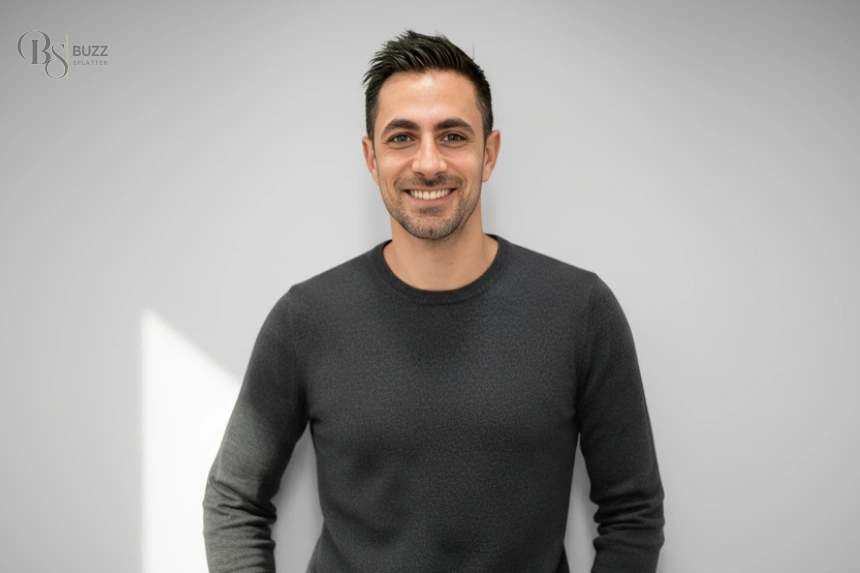

The complexities and consequences of James Wicks’s venture into VTuber animation.
James Wicks is an American animation producer and entrepreneur recognized for founding Studio Cell, a studio dedicated to VTuber animation. His career, marked by early ambition and community engagement, ultimately faced significant challenges, culminating in operational difficulties and the studio’s closure in 2023. Wicks’s story underscores the complexities of innovation and management within the evolving landscape of digital entertainment.
Facts About James Wicks
| Facts | Details |
| Full Name | James Wicks (also referred to as James Wick) |
| Profession | Animation Producer, Entrepreneur |
| Industry | VTuber Animation, Digital Media |
| Nationality | American |
| Known For | Founder of Studio Cell; involvement in VTuber animation projects |
| Notable Role | Former Chief Marketing Officer at Tonari Animation |
| Business Ventures | Studio Cell, ConnectVT, Sawa Con (co-founder) |
| Studio Cell Founded | Late 2022 |
| Studio Cell Focus | Animated music videos, lore animations, VTuber visual content |
| Initial Funding (Studio Cell) | Approximately $70,000 (self-reported) |
| Early Projects | OniGiri lore video, Nemu music video, Saruei animation, Girl_DM assets |
| Convention Involvement | Co-founder of Sawa Con (Louisiana-based anime convention) |
| Networking Initiative | Founder of ConnectVT (Discord-based collaboration platform) |
| Major Controversy | 2023 Studio Cell dispute involving undelivered projects and payments |
| Public Allegations | Clients claimed payments were taken without completed deliverables |
| Response to Allegations | Issued a detailed public statement acknowledging delays and mismanagement |
| Studio Status | Defunct (as of mid-2023) |
| Social Media Presence | Deleted following controversy |
| Public Reputation | Largely defined by Studio Cell controversy |
| Media Coverage | Limited to VTuber community reports and online discussions |
| Legacy | Considered a cautionary example in the VTuber and indie animation space |
A Career with Limited Public Origins
Unlike many professionals in the entertainment industry, James Wicks entered the public record with little biographical context. There are no widely available details about his early life, education, or formal training. Instead, his professional identity emerged almost entirely through his work in the animation and VTuber sectors.
This absence of background information is not uncommon in newer creative industries, where individuals often build reputations through online networks rather than traditional career pathways. Yet, it also meant that Wicks’s credibility was largely tied to his projects and professional associations, factors that would later come under scrutiny.
Early Industry Experience
Wicks’s first notable role came at Tonari Animation, a small U.S.-based outsourcing studio known within VTuber circles. Serving as Chief Marketing Officer, he operated primarily on the business side of production, handling client outreach, partnerships, and brand positioning.
His work at Tonari Animation placed him in proximity to a growing industry that blends animation, live streaming, and digital performance. VTubers, virtual personalities often powered by motion capture and illustrated avatars—were gaining traction worldwide, and studios like Tonari were positioned to support this growth.
While Wicks was not directly involved in animation production, his role required an understanding of client expectations and project coordination. This experience would later influence his decision to launch his own venture.
His departure from Tonari Animation was not publicly explained, leaving a gap in the narrative of his early career. Still, by that point, he had gained enough exposure to the industry to pursue independent projects.
Building Community Through Sawa Con
Before entering the studio business, Wicks had already shown an interest in anime culture and event organization. He co-founded Sawa Con, a Louisiana-based anime and gaming convention, alongside Jarrett Martin.
Launched around 2019, the convention aimed to bring together fans, creators, and industry enthusiasts in a localized setting. While modest in scale, Sawa Con reflected a broader entrepreneurial instinct, one that combined community engagement with commercial opportunity.
The Vision Behind Studio Cell
In late 2022, Wicks took a more ambitious step by founding Studio Cell, an independent animation studio designed to serve the rapidly expanding VTuber market. The studio’s focus was clear: produce animated music videos, lore-based storytelling content, and visual assets tailored to virtual creators.
According to Wicks’s own statements, the venture was backed by approximately $70,000 in initial funding. The goal was to establish Studio Cell as a reliable production partner for VTubers seeking high-quality animation without the scale, or cost, of larger studios.
Early projects appeared to validate this vision. Studio Cell secured work with several independent VTubers, including OniGiri, Nemu, and Girl_DM. Another notable project involved Saruei, a well-known VTuber with a growing audience.
Cracks Beneath the Surface
Despite its promising start, Studio Cell soon began to show signs of strain. Projects that had been scheduled with relatively tight timelines began slipping. Deliverables were delayed, and communication between the studio and its clients became inconsistent.
One of the earliest warning signs came with the OniGiri project. Initially expected to be completed in early 2023, the animation was not delivered until several months later. Similar delays affected other projects, creating a pattern that raised concerns among clients.
These issues pointed to deeper structural problems. Managing multiple animation projects requires precise coordination, clear timelines, and consistent oversight. In Studio Cell’s case, production workflows appeared disorganized, with some stages starting late or overlapping inefficiently.
The Controversy Unfolds
The situation escalated dramatically in May 2023 when VTuber Bao the Whale publicly disclosed her experience with Studio Cell. She stated that she had paid more than $34,000 for animation projects that had not been delivered, receiving only a minimal refund.
Her statement quickly gained attention, prompting other VTubers and collaborators to share similar accounts. Claims emerged that payments had been made without corresponding deliverables, and some freelancers alleged they had not been fully compensated for their work.
Within days, what had been internal project issues became a public controversy. Social media platforms and VTuber-focused outlets began documenting the allegations, identifying Wicks as the central figure behind Studio Cell’s operations.
A Lengthy Response
Facing mounting criticism, Wicks released a detailed statement addressing the allegations. In it, he acknowledged significant shortcomings in Studio Cell’s operations, including missed deadlines and poor communication.
He described how projects had been mismanaged, with production timelines slipping due to delayed starts and coordination issues. Financial strain also played a role, as the studio had already spent much of its initial funding on salaries, music, and other production costs.
At the same time, Wicks disputed certain claims and suggested that external factors, including team dynamics and client expectations, had contributed to the situation. This dual approach, combining admission with defense, failed to resolve the growing dissatisfaction among clients.
The Collapse of Studio Cell
By the end of May 2023, Studio Cell had effectively ceased operations. Projects were halted, and efforts shifted toward addressing outstanding financial obligations.
Wicks withdrew from public platforms, deleting his social media accounts as the backlash intensified. The studio, once positioned as a promising entrant in the VTuber animation space, was no longer active.
The collapse marked a swift and decisive نهاية for the venture. What had begun as an ambitious attempt to serve a growing industry ended as a widely discussed cautionary tale.
A Legacy Defined by Caution
James Wicks’s career does not follow the traditional arc of creative success. There are no major awards, widely recognized productions, or enduring works associated with his name. Instead, his legacy is tied to a single episode that resonated deeply within a specific community.
Among VTubers and independent creators, the Studio Cell controversy is often cited as an example of the risks involved in outsourcing creative work without thorough vetting. It underscores the importance of transparency, clear contracts, and ongoing communication.
Outside that sphere, Wicks remains largely unknown. His story exists primarily within industry discussions and community memory, rather than mainstream media coverage.
Lessons from a Short-Lived Venture
The significance of James Wicks’s story lies not in its scale but in its implications. It highlights the challenges faced by small studios operating in high-demand environments, where expectations are high and margins for error are thin.
Creative industries, particularly those driven by digital platforms, rely heavily on trust. When that trust is compromised, the consequences can be swift and far-reaching.
For clients, the lesson is clear: due diligence is essential. For entrepreneurs, the message is equally important: vision must be matched by execution. Without strong management, even well-funded and well-intentioned projects can falter.
Conclusion
James Wicks entered the VTuber animation industry at a moment of rapid growth and opportunity. His early efforts in marketing, community building, and studio formation suggested an understanding of the space and its potential.
Yet, the downfall of Studio Cell reveals how quickly that potential can unravel. Mismanagement, communication failures, and financial strain combined to undermine what might have been a promising venture.
In the end, Wicks’s story serves as a reminder that in creative industries, reputation is as important as talent. Once lost, it is difficult to recover.